
Without proper care, diseases and fungi can severely damage or even destroy your trees and shrubs. Learn more about common tree and shrub diseases that can harm your landscape.
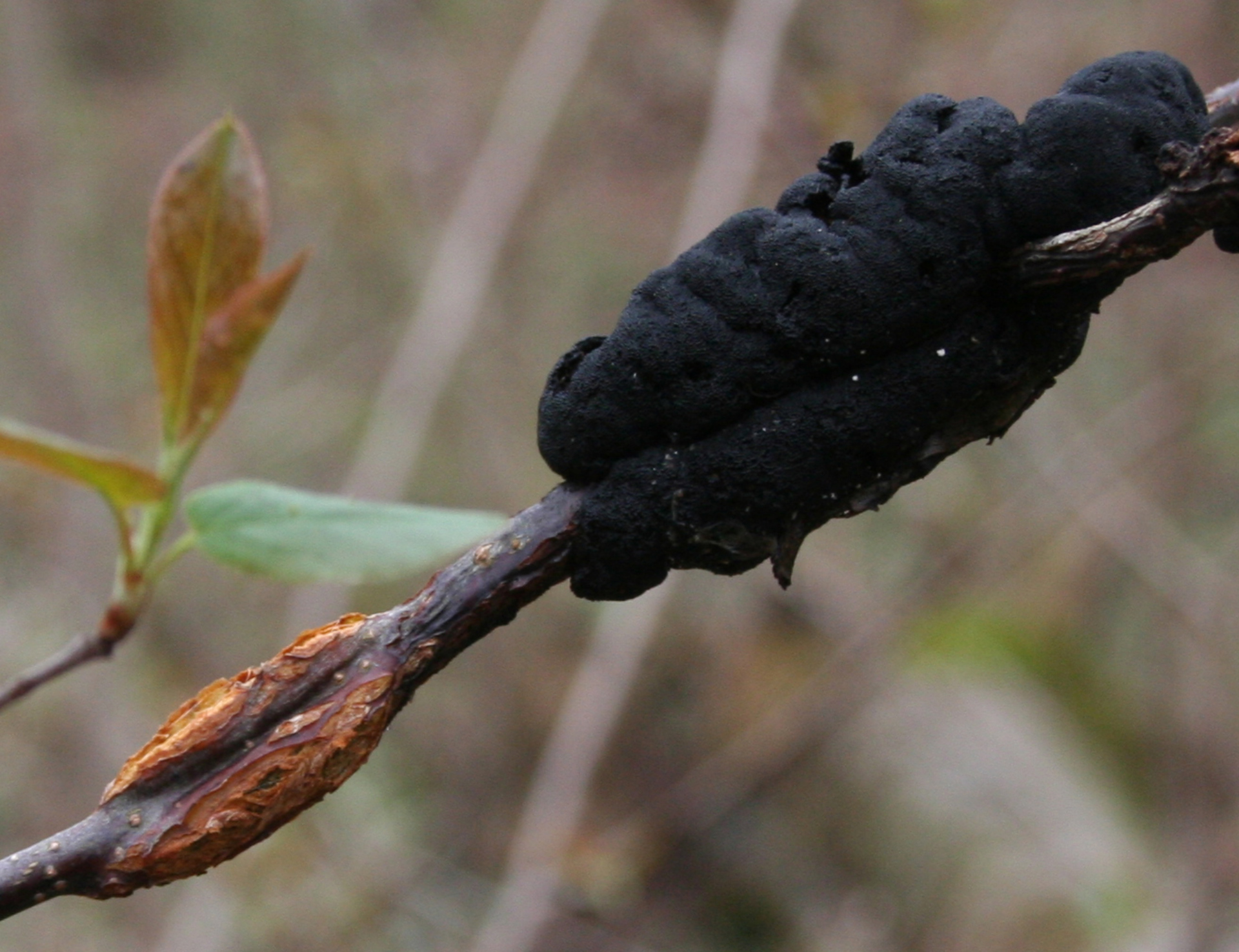
Black Knot
- Affects: Cherry trees and purple-leaf plums
- Active: Spring through summer
Black knot can cause significant damage to your trees if left untreated. It can strangle new growth, girdle branches, and affect fruit production. Proper sanitation and pruning are essential to control this disease.
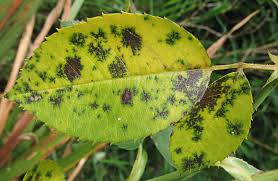
Black Spot of Roses
- Affects: Roses
- Active: Spring through fall
Black spot is the most common and serious disease for roses, weakening the plant over time by causing leaf loss. While it doesn’t kill the plant outright, it can make it more vulnerable to other stresses.
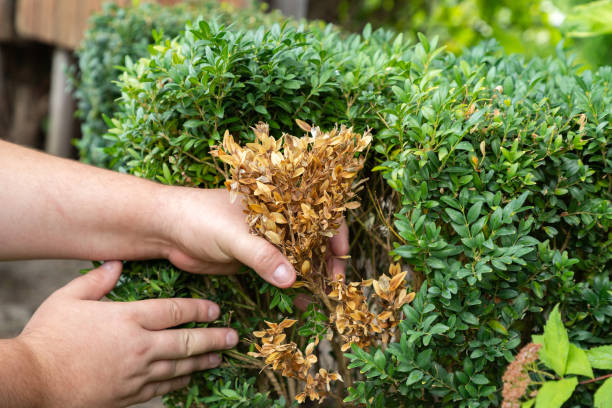
Boxwood Blight
- Affects: Boxwoods
- Active: Spring through summer
This disease can lead to the death of your boxwood plants, causing brown leaf spots and dieback of branches. It has spread to many states since its discovery in 2011 and requires professional care to prevent further damage.
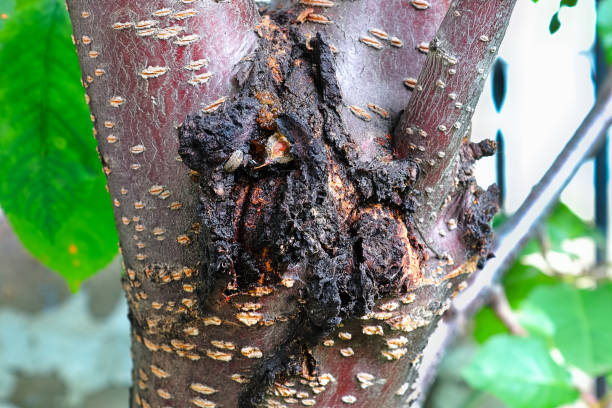
Cankers
- Affects: Evergreens, hardwoods, and fruit trees
- Active: Year-round
Cankers kill the bark on trees and are caused by fungi or damage from insects, chemicals, or equipment. They can severely impact the health of the tree if not properly treated.
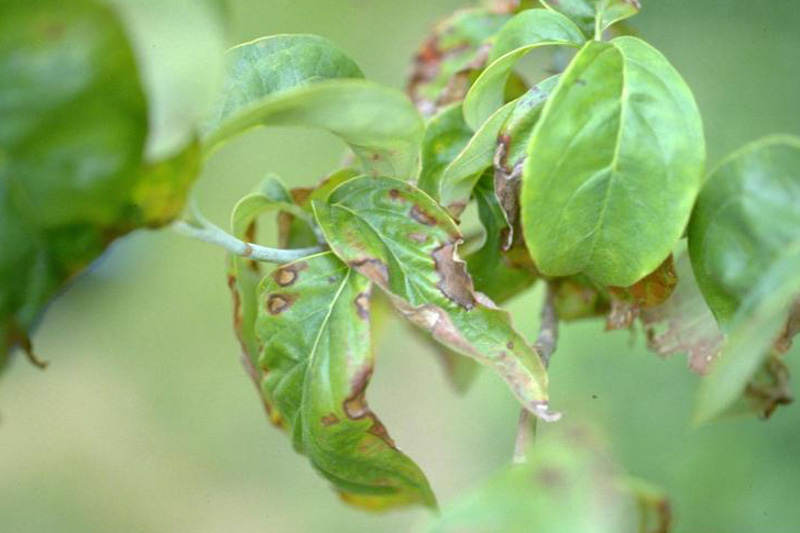
Dogwood Anthracnose
- Affects: Dogwoods
- Active: Spring through summer
The initial symptoms of dogwood anthracnose are tan leaf spots that grow into large blotches, spreading to twigs and branches. Shade increases the risk of infection, leading to possible plant death.
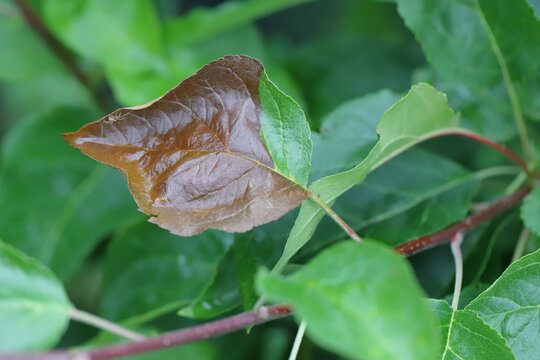
Fire Blight
- Affects: Crabapple, quince, and pyracantha
- Active: Spring
This destructive disease attacks blossoms, leaves, shoots, and branches, spreading through rain, wind, and pruning tools. Fire blight requires prompt treatment to save infected plants.
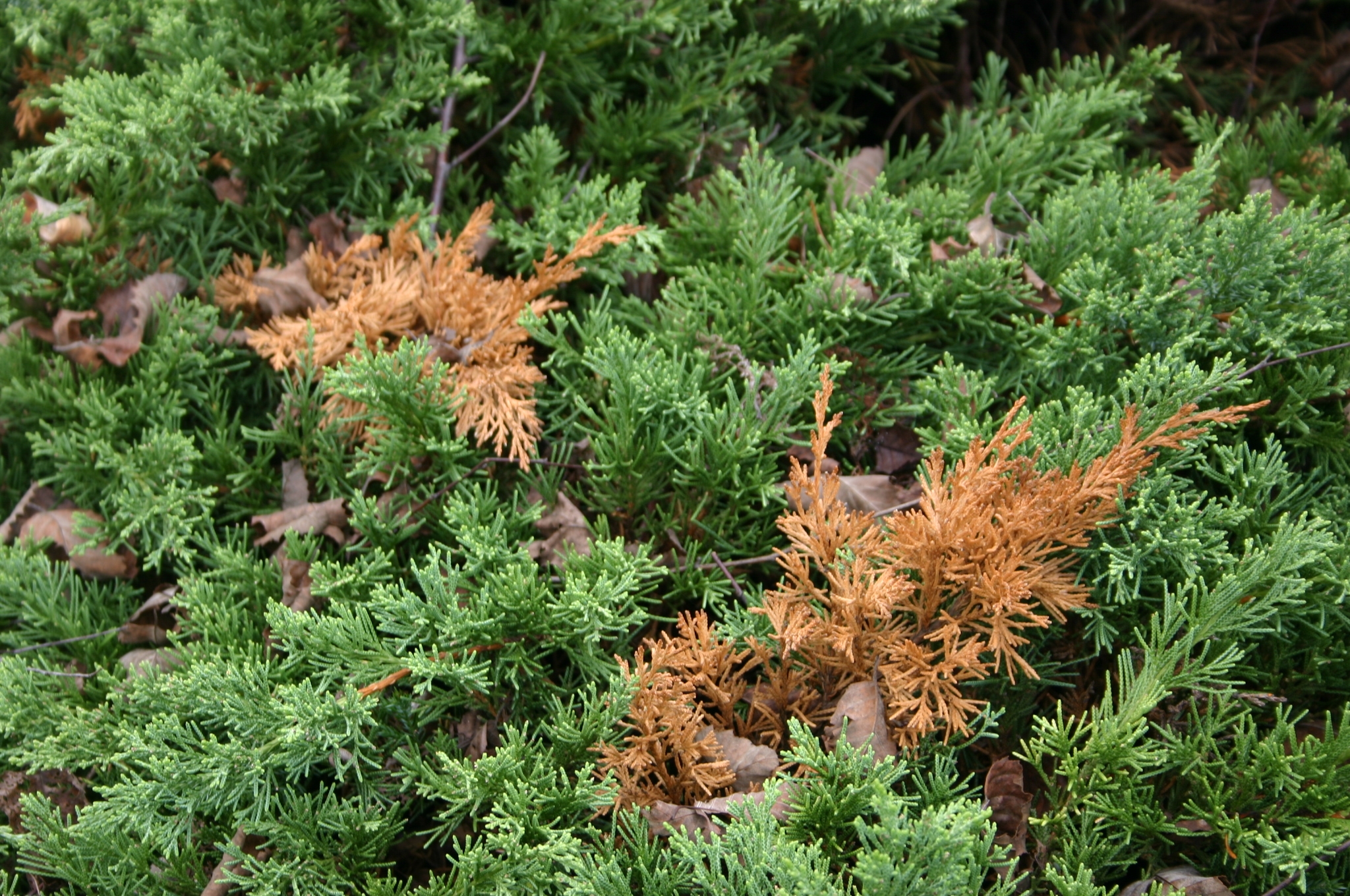
Juniper Blight
- Affects: Junipers
- Active: Spring through summer
Juniper blight affects new growth, causing foliage to turn brown and gray, leading to canker development. Early detection and treatment are crucial to prevent the spread.
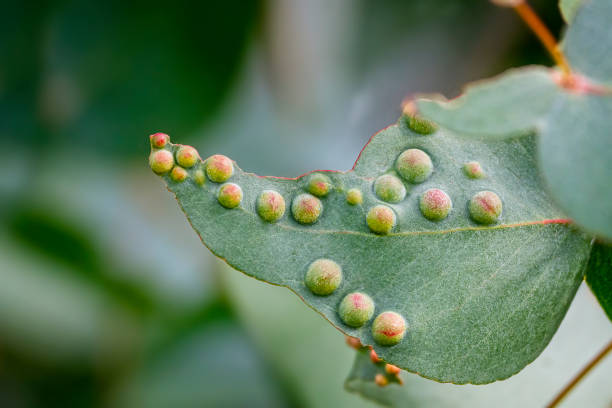
Leaf Gall
- Affects: Azaleas, camellias, and hardwood trees
- Active: Spring
Leaf galls are a result of insect or mite activity, causing abnormal growth on the leaves of affected plants. While not always harmful, they can weaken plants if left untreated.
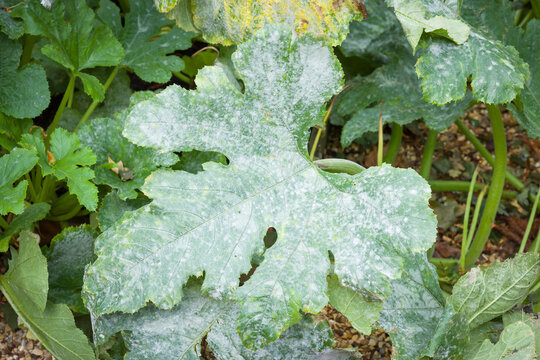
Powdery Mildew
- Affects: Euonymus, crepe myrtles, dogwoods, cucumbers, squash, tomatoes, and more
- Active: Spring through summer
Powdery mildew gives plants a dusty appearance and spreads through the wind or old plant material. If left unchecked, it can damage plants over time.
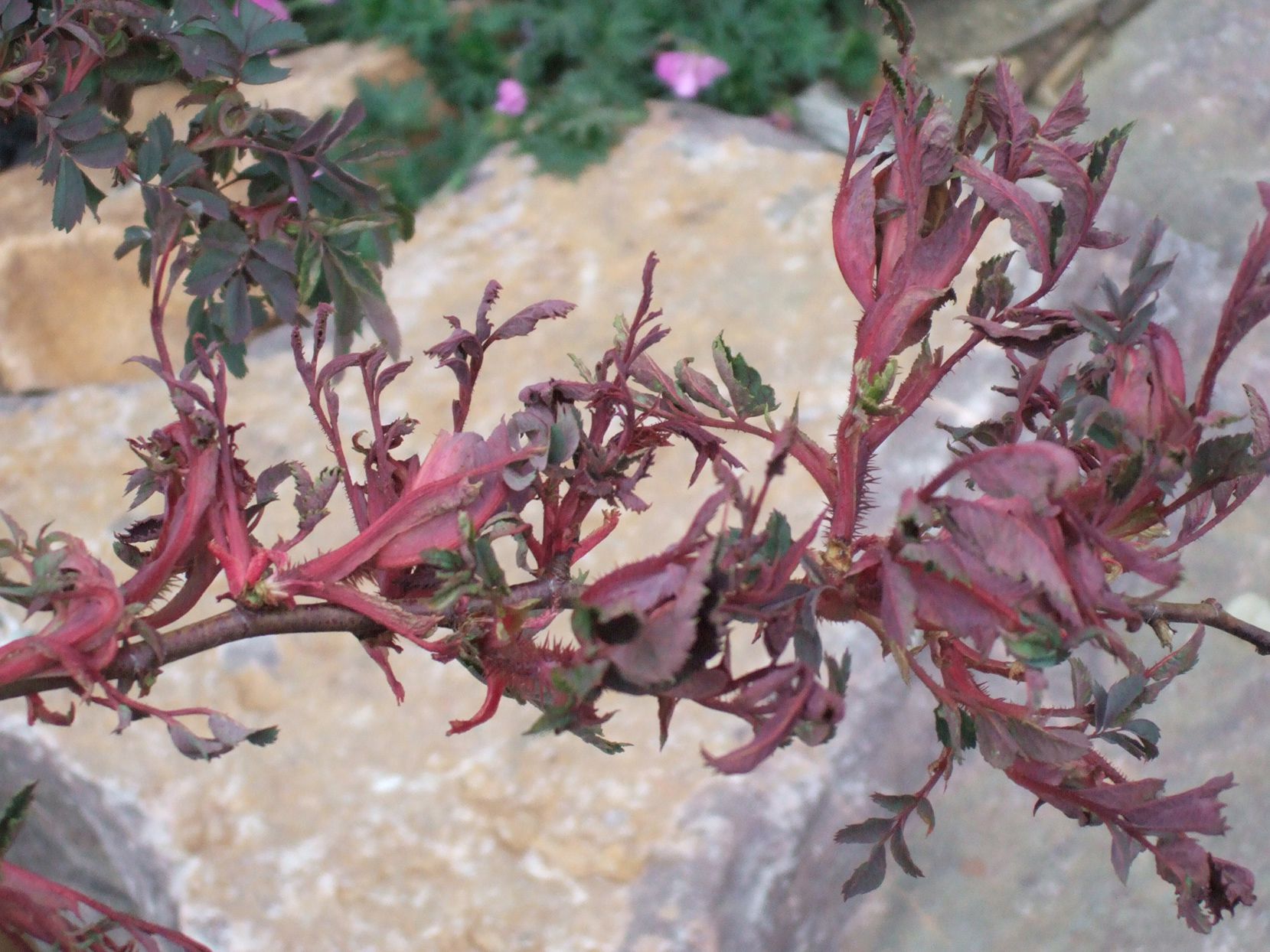
Rose Rosette Virus
- Affects: Roses
- Active: Spring through summer
This viral disease causes distorted growth and can lead to the death of infected roses. It is spread by a specific mite, and unfortunately, there is no cure. Infected plants should be removed to protect healthy plants.
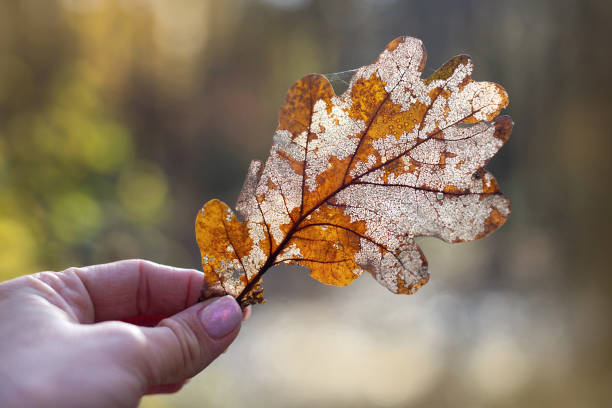
White Oak Wilt
- Affects: White oaks and other oak species
- Active: Spring through summer
Bagworms can cause significant damage by defoliating trees and weakening branches. These pests create protective silk bags that blend with foliage, making infestations hard to spot. Manual removal and targeted insecticides are essential for effective control.