
Without proper care, diseases and fungi can severely damage or even destroy your trees and shrubs. Learn more about common tree and shrub diseases that can harm your landscape.
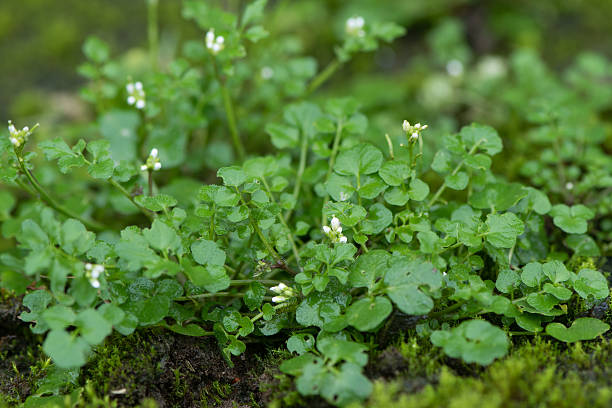
Bittercress
- Broadleaf annual weed
- Grows actively in winter
- Managed with pre- and post-emergent treatments
Common in the southeastern U.S., bittercress thrives in weak, thin lawns.
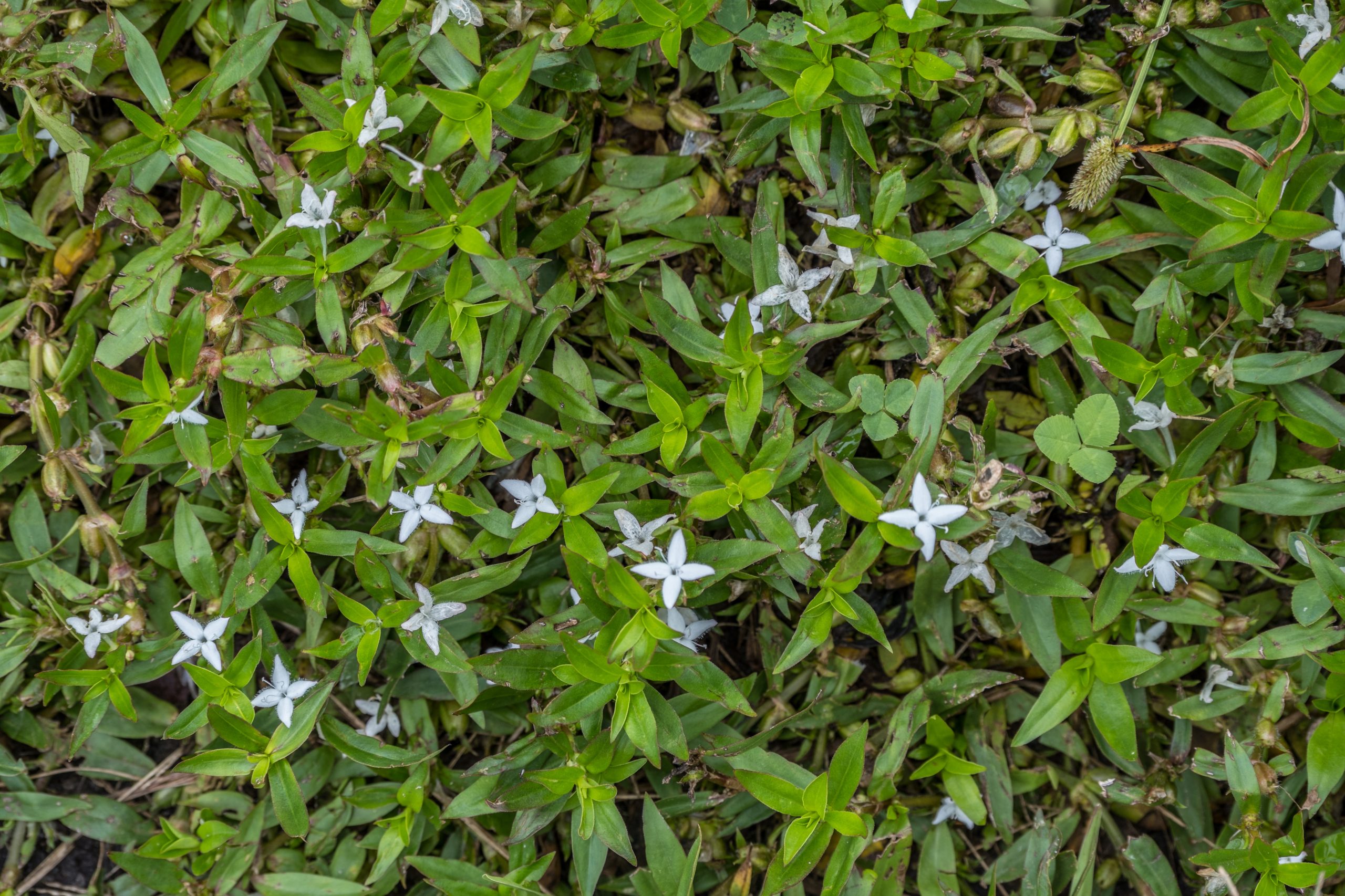
Virginia Buttonweed
- Broadleaf perennial weed
- Active during summer
- Controlled with post-emergents
This resilient weed spreads easily via humans, birds, animals, and wind.
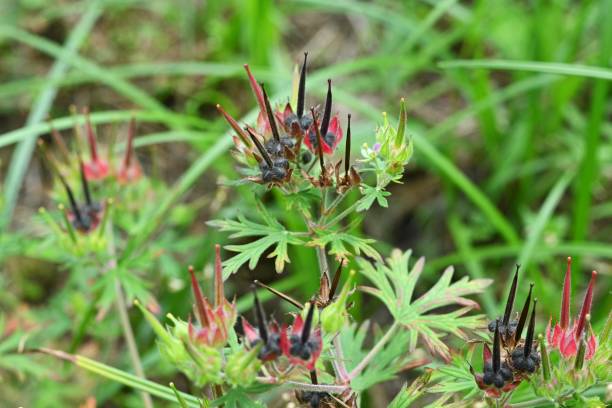
Carolina Geranium
- Broadleaf annual weed
- Grows in winter
- Managed with pre- and post-emergents
Carolina geranium is often found in lawns, fields, and roadsides across the southeastern U.S.
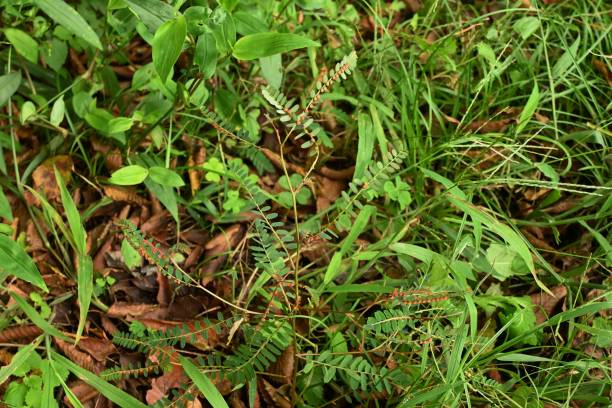
Chamberbitter
- Broadleaf annual weed
- Grows actively in summer
- Treated with post-emergents
Also known as gripeweed, leafflower, or little mimosa, chamberbitter thrives in the Southeast but can be found as far north as Illinois and west to Texas.
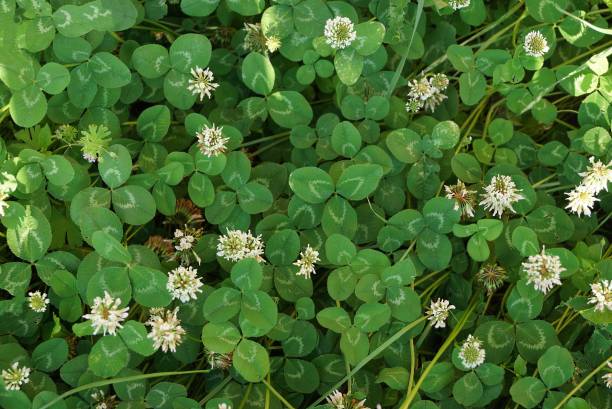
Clover
- Broadleaf perennial weed
- Grows year-round
- Controlled with post-emergents
Clover is highly palatable to livestock and is rich in protein, phosphorus, and calcium.
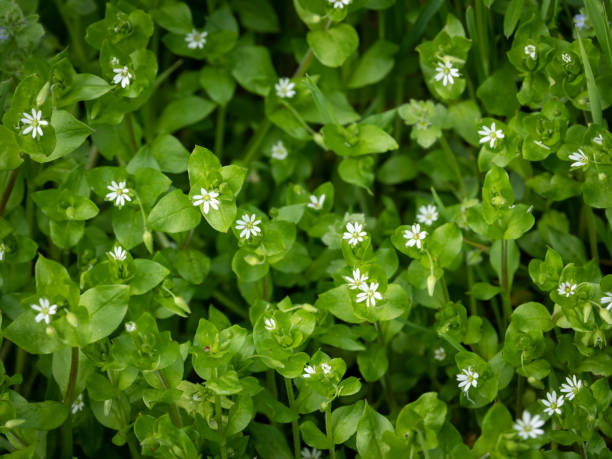
Common Chickweed
- Broadleaf annual weed
- Grows actively in winter
- Managed with pre- and post-emergents
This weed prefers weak, thin turf and can remain viable in soil for up to 30 years.
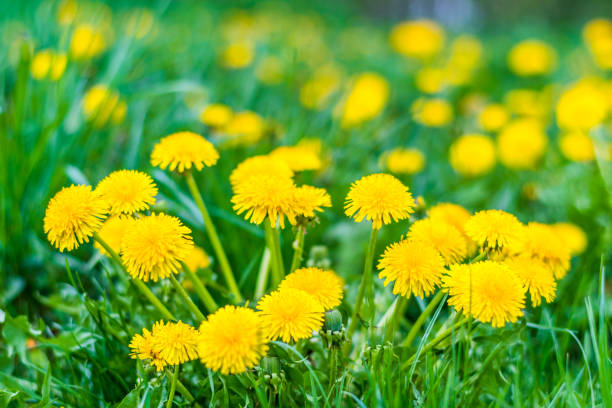
Dandelion
- Perennial weed
- Grows year-round
- Controlled with post-emergents
Dandelions thrive in various soil conditions, especially rich soil. Avoid blowing the white seed puffs, as they spread the weed. While edible, consuming too many roots should be avoided.
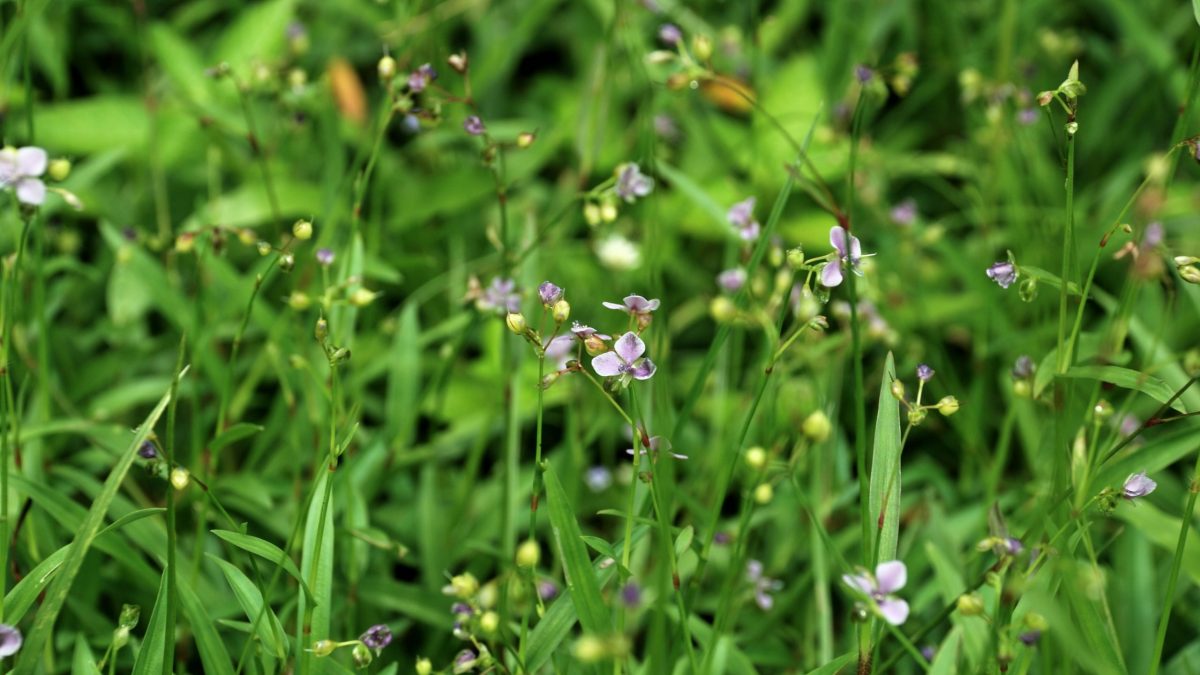
Doveweed
- Broadleaf annual weed
- Grows in summer
- Difficult to control; requires multiple post-emergent treatments
Doveweed can persist in soil for years, often requiring ongoing treatment for complete eradication.
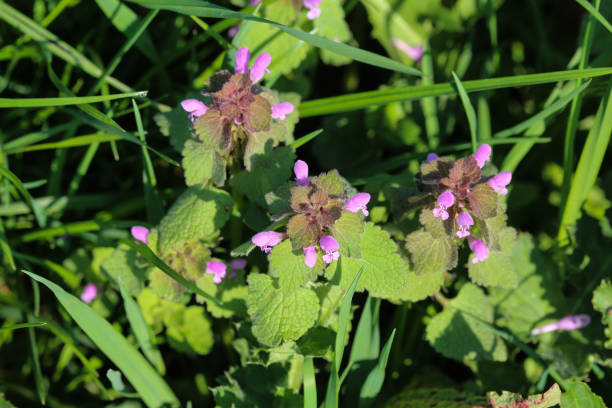
Henbit
- Hairy annual weed
- Grows in winter but becomes more visible as temperatures rise
- Managed with pre- and post-emergents
A member of the mint family, henbit produces pink-to-purple flowers and can reach up to 30 cm in height.
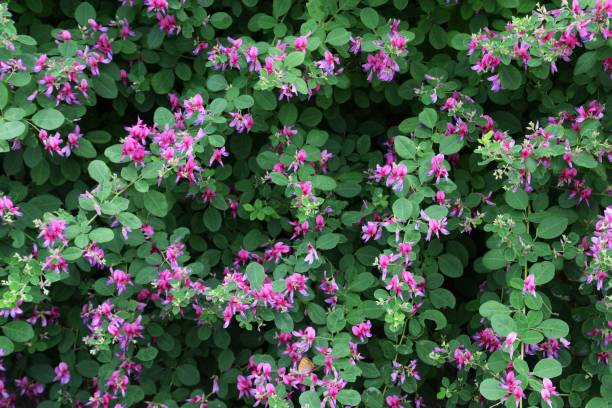
Lespedeza
- Broadleaf annual weed
- Grows actively in summer
- Primarily controlled with post-emergents
Also called Japanese clover, lespedeza is a mat-forming weed that prefers dry, compacted areas and sparse turfgrass.
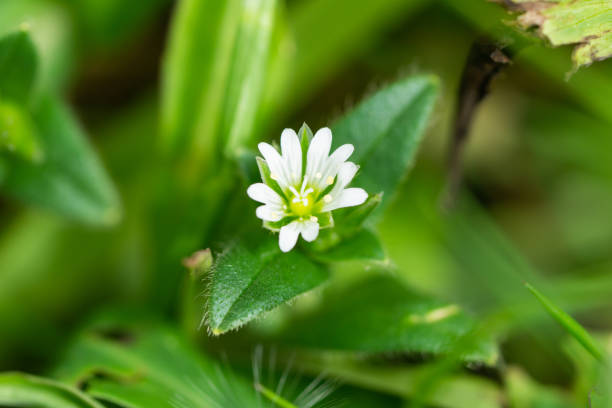
Mouse-Ear Chickweed
- Broadleaf perennial weed (may behave as a winter annual in some climates)
- Grows in winter
- Managed with pre- and post-emergents
This dense, mat-forming weed has fuzzy leaves and stems. It is edible, tasting similar to spinach when cooked, and is rich in vitamins.
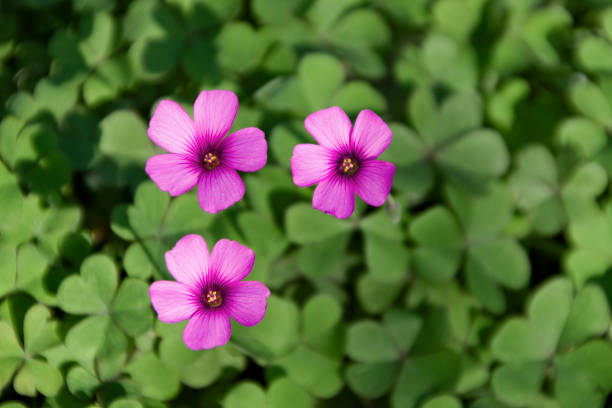
Oxalis
- Broadleaf perennial weed
- Active all year
- Controlled primarily with post-emergents
Resembling small clover with yellow flowers, oxalis is sometimes used as ground cover but is often seen as a nuisance due to its deep, resilient roots.
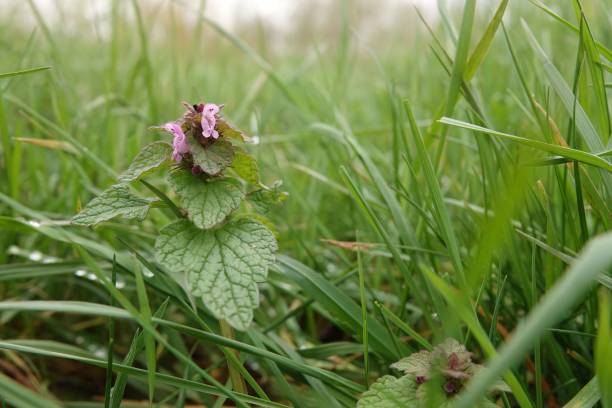
Red Dead-Nettle
- Broadleaf annual weed
- Grows in winter
- Managed primarily with pre- and post-emergents
Also called purple dead-nettle, this weed spreads rapidly and blooms year-round, even in warm winters. It prefers full sun to light shade and thrives in rich, moist soil.
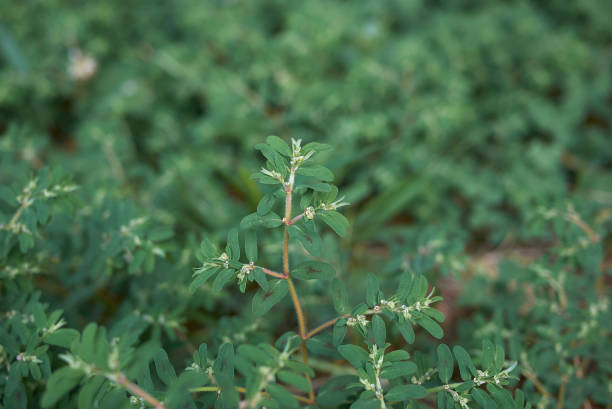
Spotted Spurge
- Broadleaf annual weed
- Grows in summer
- Primarily controlled with pre-emergents
Spurge grows in compacted soil and full sun, forming dense mats that can extend up to two feet from a central taproot.
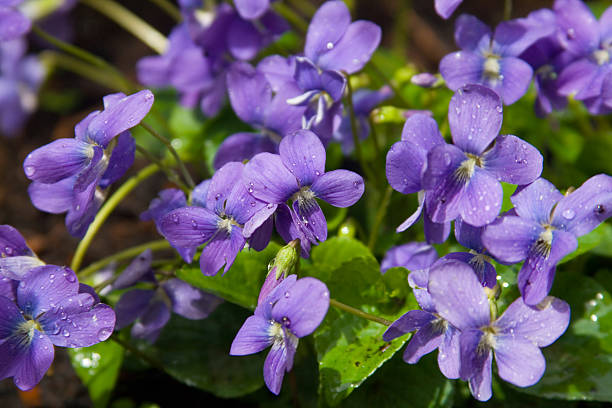
Wild Violet
- Broadleaf perennial weed
- Grows year-round but is more prominent in spring and summer
- Not treatable with pre-emergents; difficult to control with post-emergents
Wild violets are highly adaptable and grow in a range of environments from Florida to Canada.
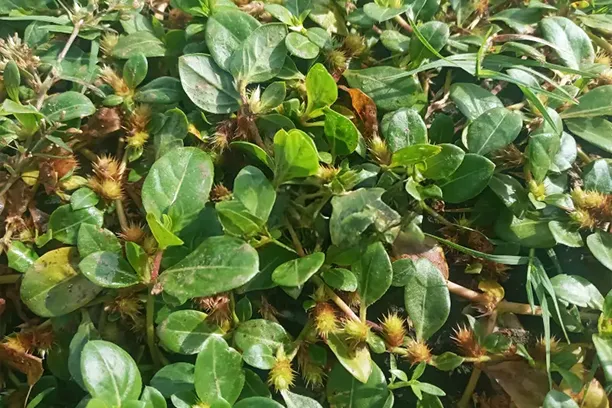
Khaki Weed
- Broadleaf perennial weed
- Active during summer
- Managed primarily with pre- and post-emergent
This invasive weed spreads aggressively through seeds and creeping stems, thriving in dry, compacted soils. Its sharp, spiny seed pods make it a nuisance for lawns, pastures, and walkways.
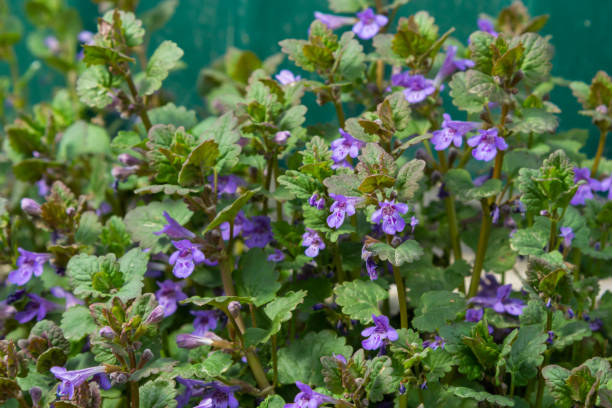
Creeping Charlie
- Broadleaf perennial weed
- Active during spring and fall
- Controlled with post-emergents
Also known as ground ivy, this fast-spreading weed thrives in shady, moist areas and forms dense mats that choke out grass. It spreads through creeping stems and is difficult to eliminate without persistent treatment.
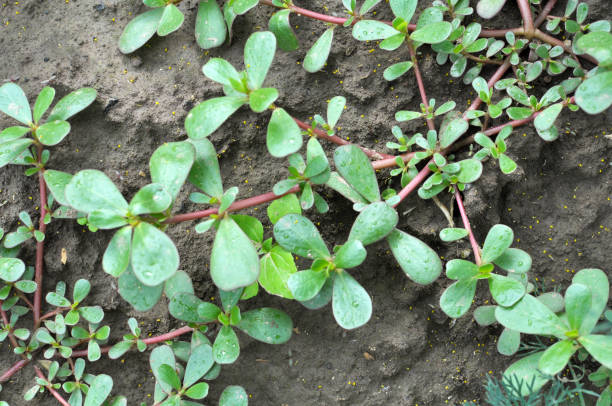
Purslane
- Broadleaf annual weed
- Active during summer
- Controlled with post-emergents
Purslane thrives in hot, dry conditions and can quickly spread through its succulent leaves and seeds. It is commonly found in garden beds, lawns, and disturbed soils, competing with desired plants for nutrients and space.
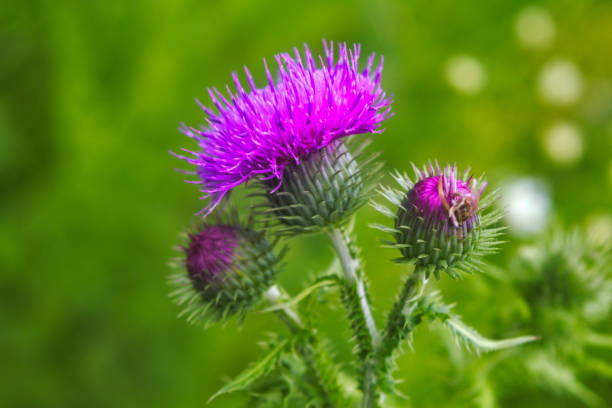
Thistle
- Broadleaf perennial weed
- Active during summer
- Controlled with post-emergents
Thistle grows quickly, producing sharp spines and deep taproots. It spreads through seeds and can invade lawns, gardens, and pastures, outcompeting other plants and causing soil disturbance.