
Texas, with its vast and diverse landscapes, is home to a rich variety of grasses that contribute to the state’s ecological diversity. From the sprawling plains to the coastal marshes, each region boasts its unique grass species adapted to the local climate and soil conditions. Here are some of the most common types of grass that thrive in the Lone Star State.
12 Types Of Grass In Texas
1. Buffalograss (Buchloe dactyloides)
Native to North America, Buffalograss is a warm-season perennial grass that thrives in the hot and dry climates of Texas. It forms a dense, low-maintenance turf and is commonly used in lawns, parks, and golf courses.
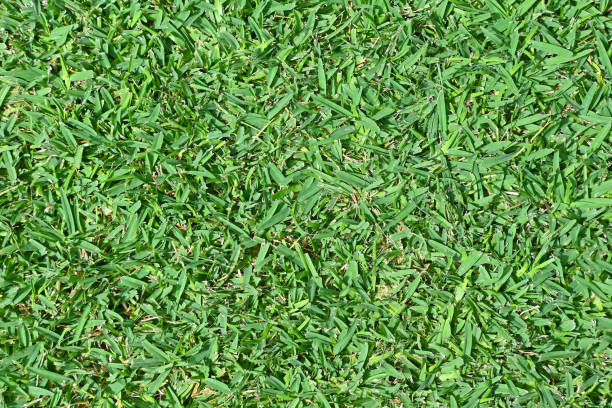
2. Bermudagrass (Cynodon dactylon)
Known for its durability and drought resistance, Bermudagrass is a popular warm-season grass in Texas. It’s often used for lawns, sports fields, and golf courses, thriving in full sunlight and well-drained soils.
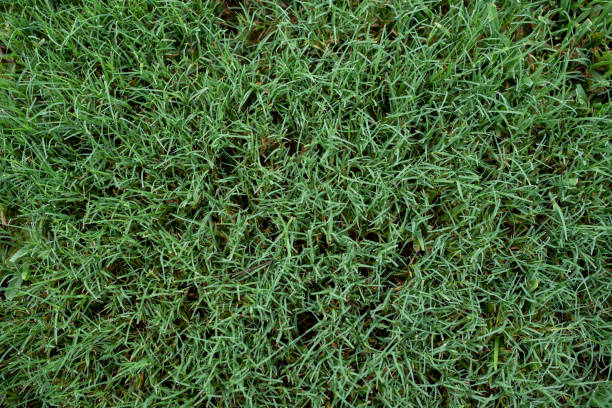
3. St. Augustinegrass (Stenotaphrum secundatum)
Native to the Gulf of Mexico region, St. Augustinegrass is a warm-season grass widely used in Texas lawns. Its dense growth and excellent tolerance for shade make it suitable for both residential and commercial landscapes.
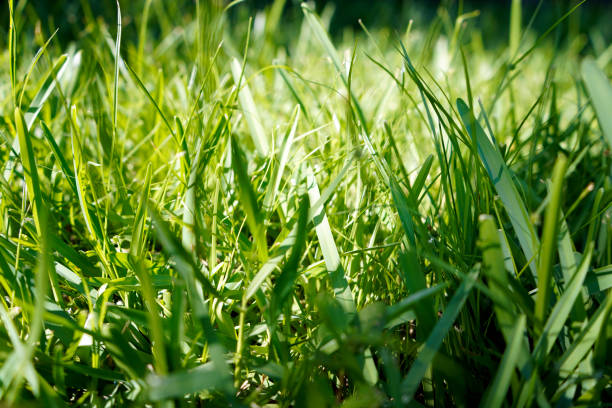
4. Zoysiagrass (Zoysia spp.)
Zoysiagrass is a warm-season grass that offers an attractive, fine-textured turf. It performs well in Texas’s hot climates and exhibits good drought tolerance. Its ability to withstand foot traffic makes it popular for lawns and sports fields.
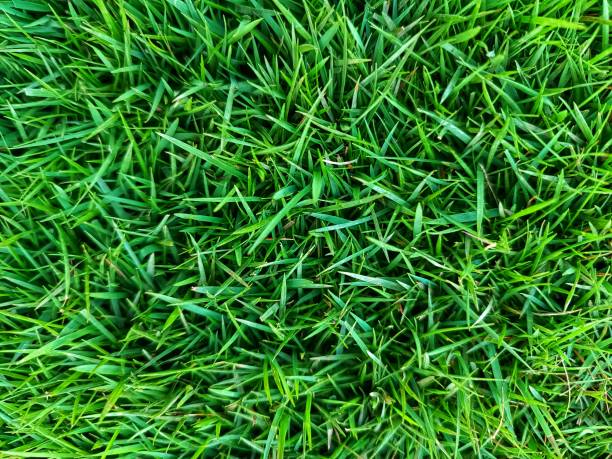
5. Texas Bluegrass (Poa arachnifera)
This cool-season grass is adapted to the cooler regions of Texas. Known for its lush green appearance, Texas Bluegrass is often used in pastures and forage production.
6. Eastern Gamagrass (Tripsacum dactyloides)
A native warm-season grass, Eastern Gamagrass is well-suited to Texas’s diverse ecosystems. It’s commonly found in prairies and bottomlands and is valued for its forage quality, making it important for livestock grazing.
7. Tall Fescue (Festuca arundinacea)
Though not native to Texas, Tall Fescue is a cool-season grass that adapts well to the state’s varied climates. It’s often used for pasture and erosion control, providing a reliable turf in areas with colder winters.
8. Indiangrass (Sorghastrum nutans)
Native to Texas, Indiangrass is a warm-season bunchgrass that adds aesthetic value to landscapes. It’s commonly used for prairie restoration projects and is valued for its wildlife habitat benefits.
9. Curly Mesquite (Hilaria belangeri)
Common in arid regions of Texas, Curly Mesquite is an important forage grass adapted to sandy soils. It’s well-suited to the state’s dry conditions.
10. Big Bluestem (Andropogon gerardii)
Big Bluestem is a warm-season grass native to Texas, thriving in prairies and open woodlands. Its ornamental seed heads and towering height make it a prominent grass in natural landscaping and restoration projects.
11. Switchgrass (Panicum virgatum)
Adapted to a wide range of soil types, Switchgrass is a warm-season perennial with ecological importance. It’s commonly used for erosion control, wildlife habitat, and as a biofuel crop.
Common Grasses in Texas
Texas is home to a variety of grasses, both native and adapted, due to its diverse climates. Common warm-season grasses include Bermudagrass, St. Augustinegrass, and Zoysiagrass, while cool-season grasses like Tall Fescue are also prevalent.
Best Grass for Different Regions in Texas
- Dallas, Texas: Warm-season grasses like Bermudagrass and St. Augustinegrass are common due to the region’s hot and humid climate.
- North Texas: Warm-season grasses like Bermudagrass and Zoysiagrass thrive in the hot summers and offer good drought resistance.
- Central Texas: With a hot and dry climate, warm-season grasses like Bermudagrass and Zoysiagrass are popular choices due to their resilience and low water requirements.
- Houston, Texas: Similar to other parts of Texas, Houston features warm-season grasses such as Bermudagrass, St. Augustinegrass, and Zoysiagrass, which withstand heat and humidity.
- West Texas: The arid climate calls for drought-tolerant grasses like Bermudagrass, Buffalograss, and Zoysiagrass, which can handle limited water availability and intense sunlight.
The grasses of Texas form a vibrant and crucial component of the state’s ecosystems, contributing to its ecological resilience and beauty. From the hardy Buffalograss to the lush St. Augustinegrass, each type plays a unique role in shaping the landscapes of the Lone Star State. Understanding and appreciating these grasses not only enhances knowledge of local flora but also informs sustainable land management practices for healthier landscapes.