
How to Identify & Control Grassy Weeds for a Healthy Lawn
Recognizing Grassy Weeds
Grassy weeds are unwanted grass-like plants that invade lawns, competing with turfgrass for nutrients, sunlight, and water. They often blend in with regular grass, making them difficult to spot at first. However, key indicators include differences in growth rate, texture, and color compared to the surrounding turf.
Being familiar with your lawn type helps in early detection. If certain patches of grass grow faster, appear in clumps, or have a different shade of green, you may be dealing with a grassy weed infestation.
Controlling Grassy Weeds
Effective control depends on understanding the weed’s lifecycle. Annual grassy weeds germinate once per year, while perennial weeds persist and regenerate across multiple seasons, making them more challenging to eliminate.
Different liquid post-emergent herbicides are recommended depending on the season and weed type. For example, in West Texas, winter weeds like Poa Annua emerge in colder months, while aggressive summer weeds like crabgrass dominate when temperatures rise. Alongside chemical treatments, maintaining good lawn care practices—proper mowing, watering, and fertilization—will enhance results.
Preventing Grassy Weeds
Because grassy weeds closely resemble turfgrass, prevention is key. Once they establish, removal becomes difficult without completely re-sodding the lawn. Pre-emergent herbicides, applied at the correct time and temperature, help prevent weed seeds from sprouting.
Strengthening your lawn through consistent watering, mowing, and fertilization makes it more resistant to invasion. A dense, healthy lawn naturally crowds out unwanted weeds, minimizing their ability to take hold.
Types Of Grassy Weeds
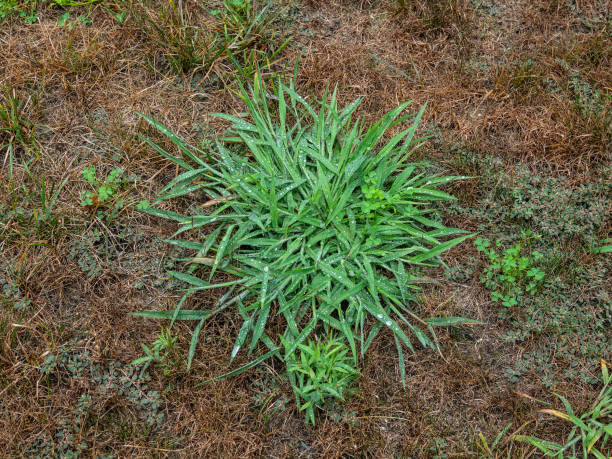
Crabgrass
One of the most invasive weeds, crabgrass germinates early and can survive throughout the growing season. Its appearance closely resembles turfgrass.

Dallisgrass
Spreading primarily through rhizomes (underground roots) or seeds, dallisgrass is challenging to eradicate due to its deep-rooted growth.
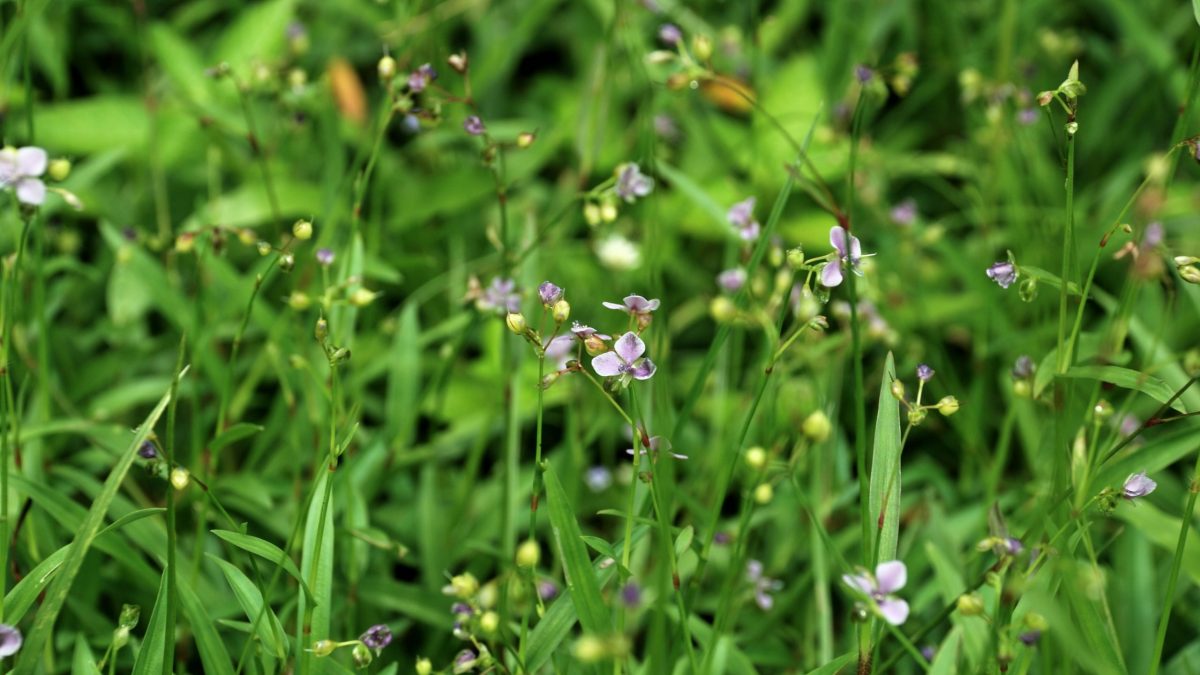
Doveweed
Doveweed can persist in soil for years, often requiring ongoing treatment for complete eradication.
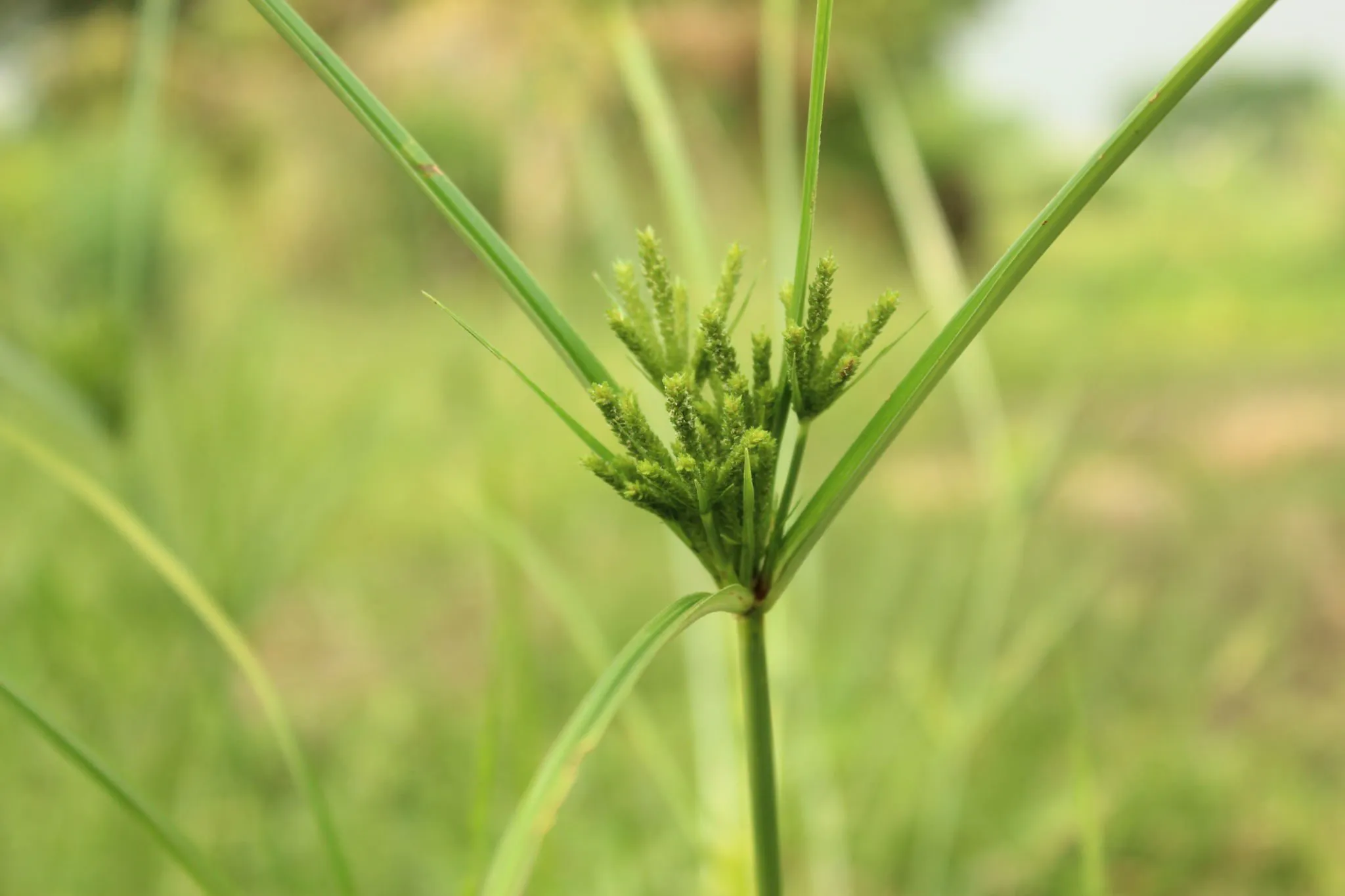
Nutsedge
Nutsedge is a persistent perennial weed with a distinctive triangular stem and bright green, stiff leaves. It grows faster than most turfgrasses and is difficult to control because it spreads through underground tubers. Post-emergent herbicides specifically designed for nutsedge are recommended for effective treatment.
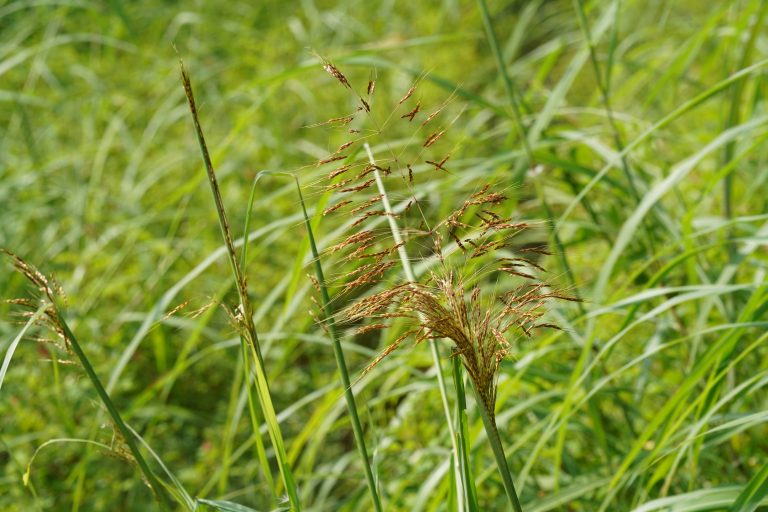
Johnsongrass
Johnsongrass is a tall, aggressive perennial weed that can outcompete turfgrass due to its deep root system. It grows rapidly in disturbed areas and is difficult to remove once established. A combination of mowing, herbicide application, and maintaining lawn health can help keep it under control.
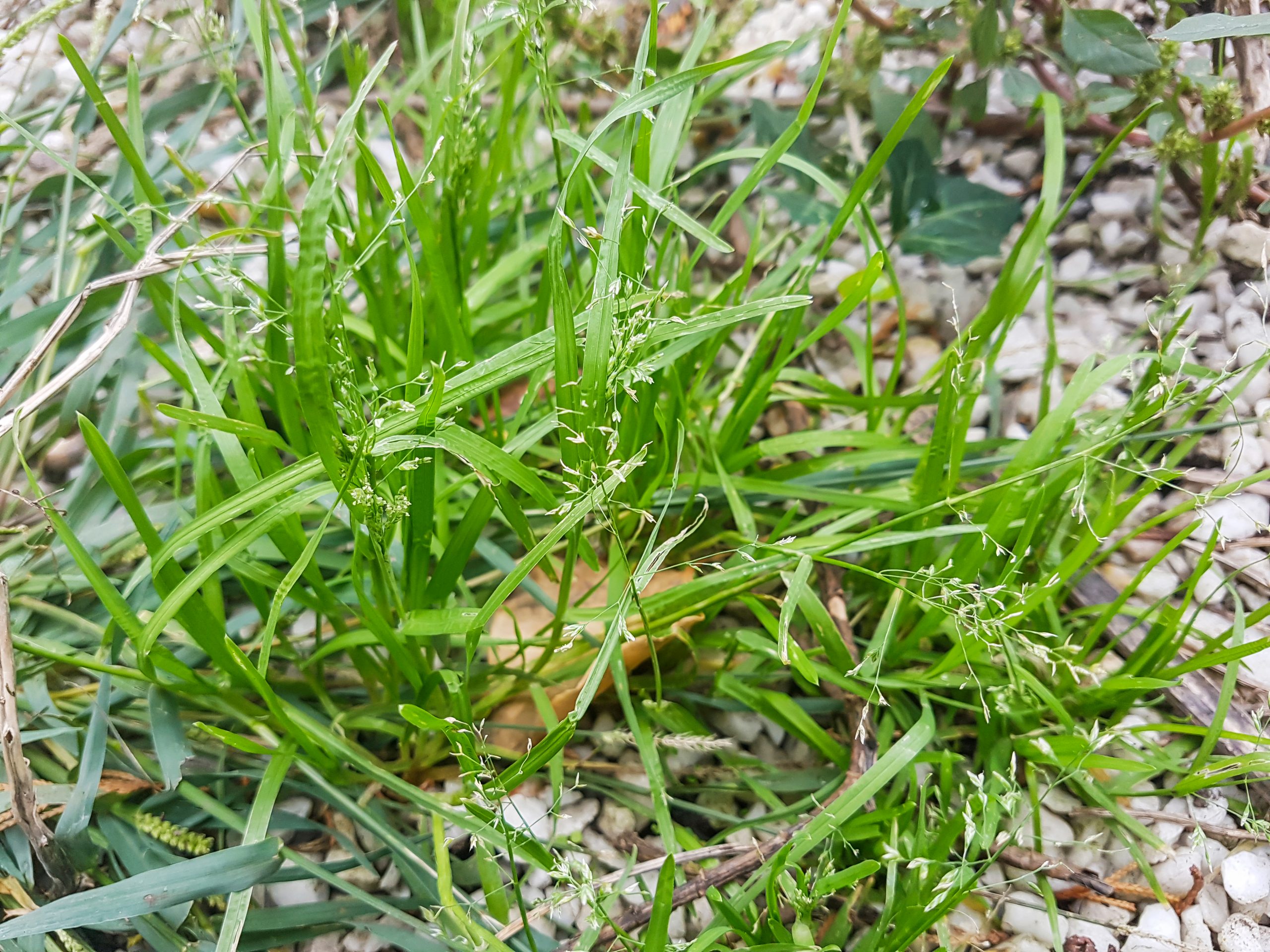
Annual Bluegrass (Poa Annua)
Poa Annua, or annual bluegrass, is a cool-season grassy weed that appears in fall and winter. It has a lighter green color and forms seed heads even when mowed low. Pre-emergent herbicides in late summer or early fall are the best prevention strategy.
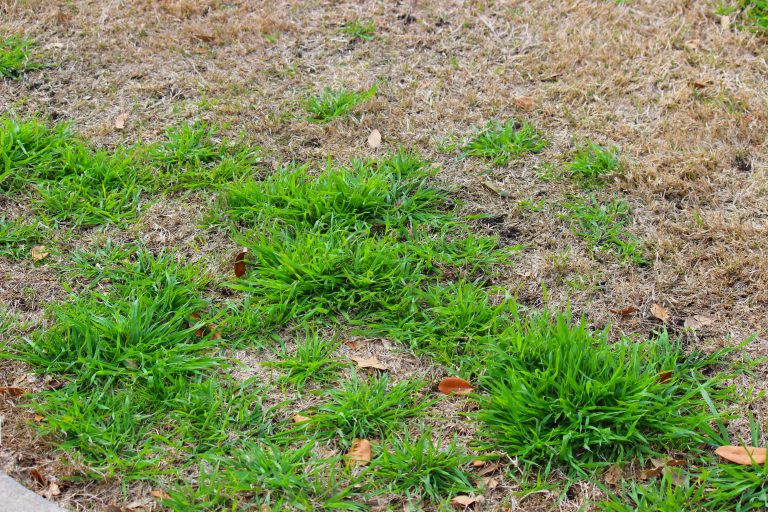
Rescuegrass
Rescuegrass is a cool-season weed that grows in clumps and has a rough texture compared to standard turfgrass. It germinates in the fall and winter, making early pre-emergent applications crucial for control.
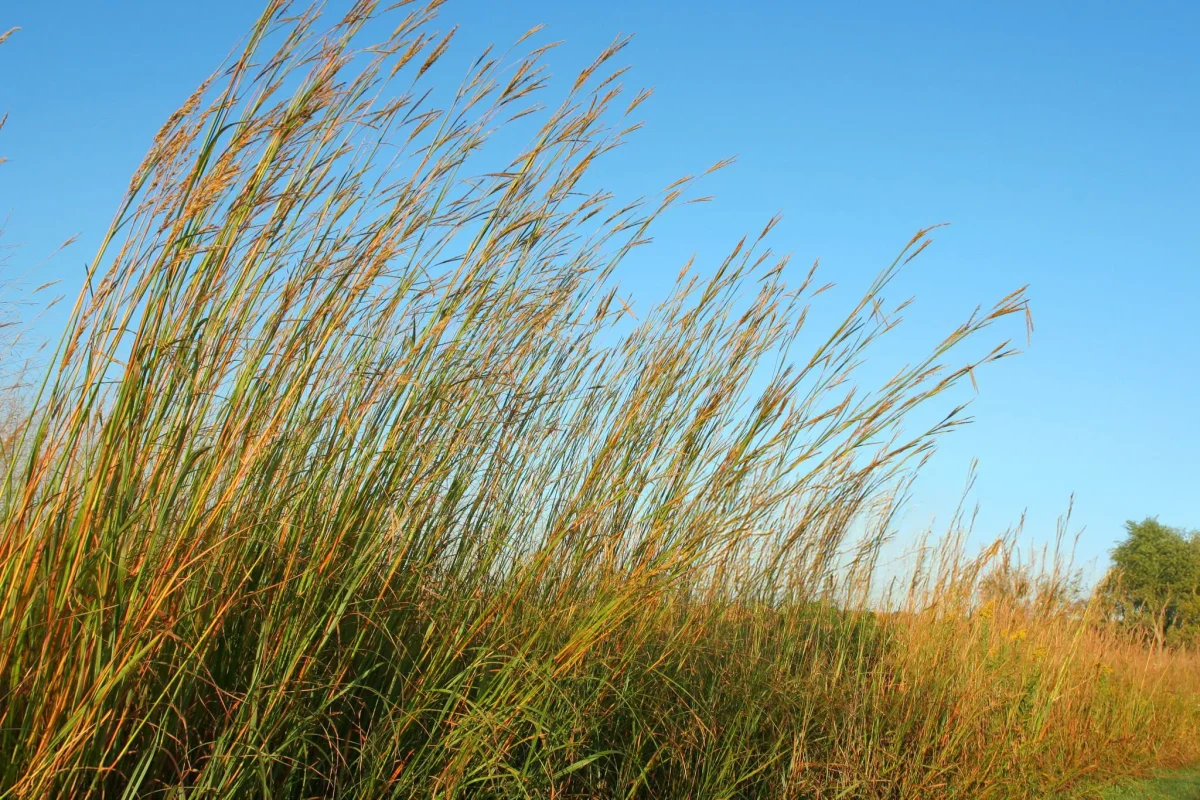
King Ranch Bluestem
King Ranch Bluestem is a non-native, invasive perennial grass with tall, wiry stems. It spreads aggressively through seeds and underground roots, often overtaking lawns. Controlling it requires repeated mowing, selective herbicides, and improving turf density.
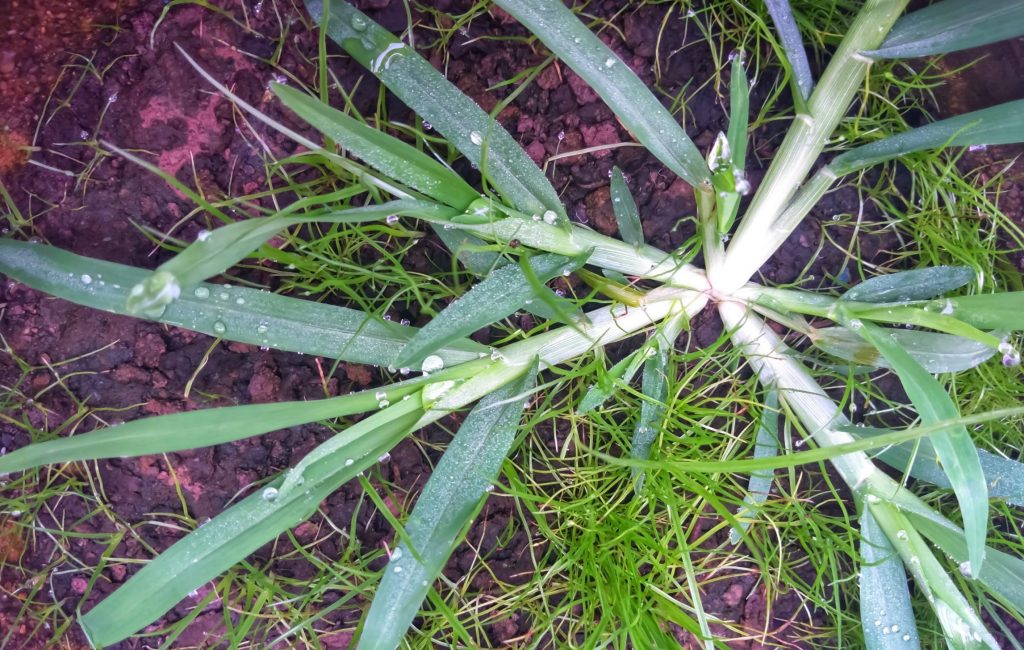
Goosegrass
Goosegrass is a summer annual weed that resembles crabgrass but grows in dense, low-spreading clumps. It thrives in compacted soil and heavily trafficked areas. Proper aeration, pre-emergent herbicides, and good lawn care practices can help prevent its spread.
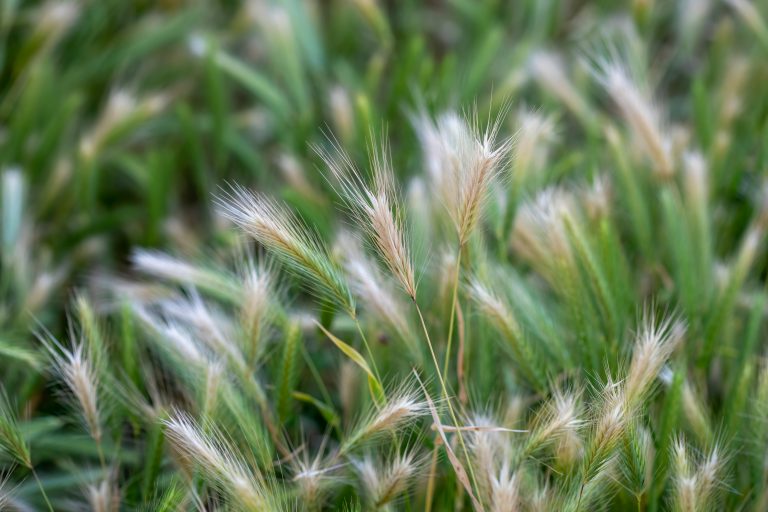
Foxtail
Foxtail is a grassy weed known for its distinctive seed heads that resemble a fox’s tail. It grows quickly in disturbed or unmaintained lawns and spreads aggressively through seeds. Regular mowing and pre-emergent herbicide applications are effective in preventing its establishment.
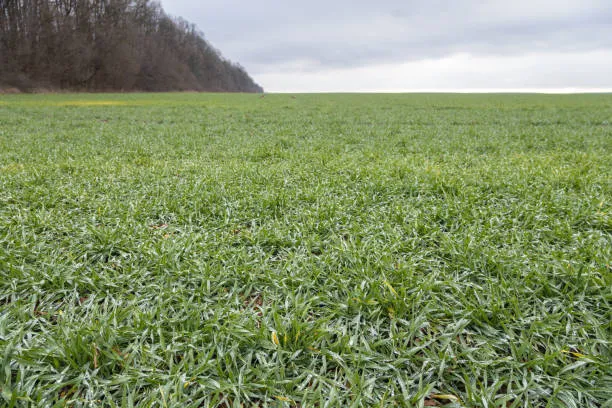
Winter Rye Grass
Winter rye grass is an aggressive, fast-growing weed that can compete with desirable turf and crops. It thrives in cool seasons, spreading rapidly and outcompeting other plants for nutrients and water. If left unmanaged, winter rye grass can become invasive, disrupting lawns, gardens, and agricultural fields. Effective control methods include proper mowing, herbicide applications, and soil management to prevent its spread.
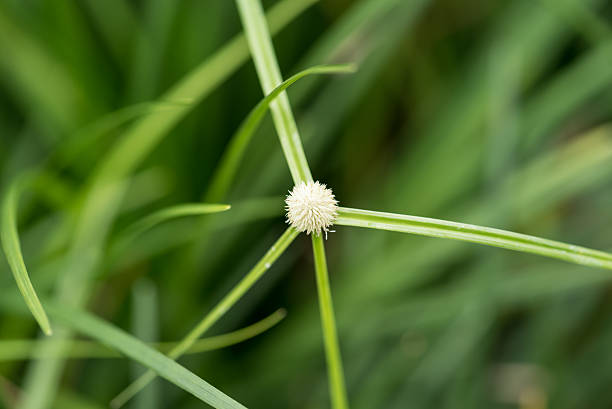
Kyllinga
Kyllinga is an aggressive, fast-spreading weed that thrives in warm, moist environments. A member of the sedge family, it forms dense mats that quickly overtake lawns and landscapes, crowding out desirable grass. Kyllinga is difficult to control due to its underground rhizomes, which allow it to regenerate even after mowing. Effective management requires a combination of pre-emergent and post-emergent herbicides, proper lawn drainage, and maintaining healthy turf to prevent infestation.
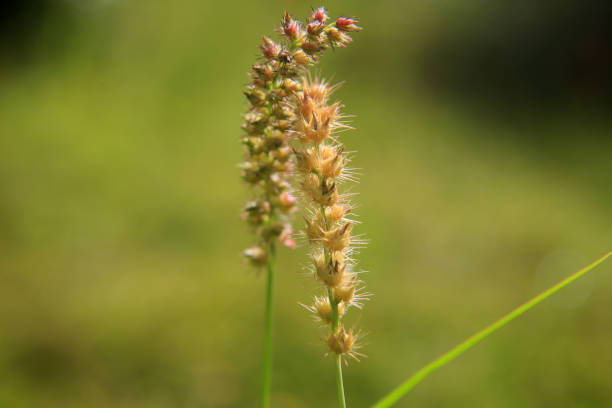
Sandbur
Sandbur is a troublesome grassy weed commonly found in dry, sandy soils and poorly maintained lawns. It thrives in warm climates and spreads aggressively, producing sharp, spiny seed heads that can stick to clothing, pet fur, and even bare feet. Sandbur is often mistaken for regular grass in its early stages, but as it matures, its burs become a nuisance. Effective control involves maintaining a dense, healthy lawn through proper mowing, watering, and fertilization, as well as applying pre-emergent herbicides in early spring to prevent germination.