
Various environmental conditions can impact the health of your landscape. Understanding these factors and how to mitigate their effects can help protect your lawn, trees, and shrubs from damage.
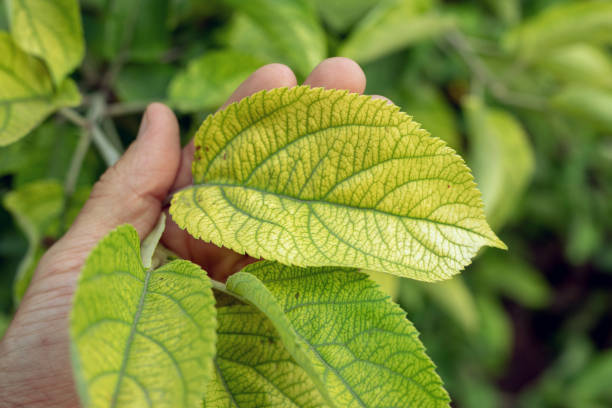
Chlorosis
- Affects trees, shrubs, and grass
- Can occur year-round
Chlorosis is the yellowing of leaves due to a lack of chlorophyll. Common causes include poor drainage, root damage, compacted soil, high alkalinity, and nutrient deficiencies.
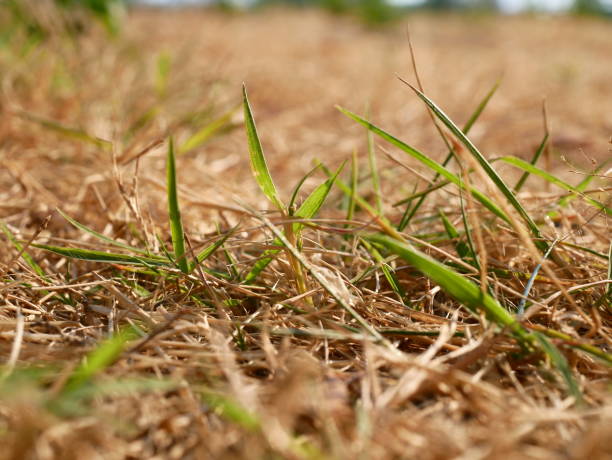
Drought Stress
- Impacts trees, shrubs, and grass
- Occurs during extended hot, dry periods in summer
Drought stress leads to thinning grass, increased disease susceptibility, slowed growth, and a shift from green to brown hues. Trees and shrubs may experience wilting, discoloration, and leaf drop.
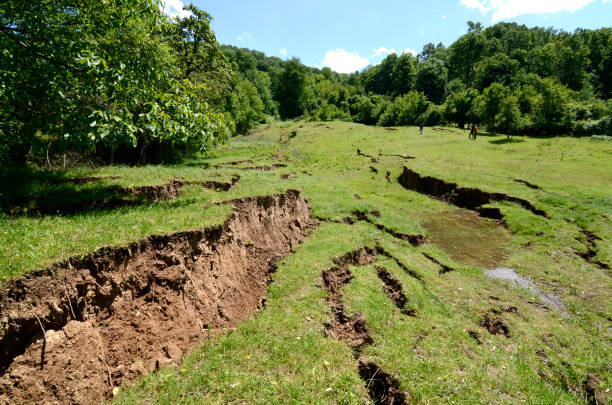
Erosion
- Can occur in areas with poor drainage
- Possible year-round
Erosion control methods include planting vegetation, adding mulch, and using structures to stabilize soil. Drip irrigation or soaker hoses can efficiently water plants while preventing oversaturation.
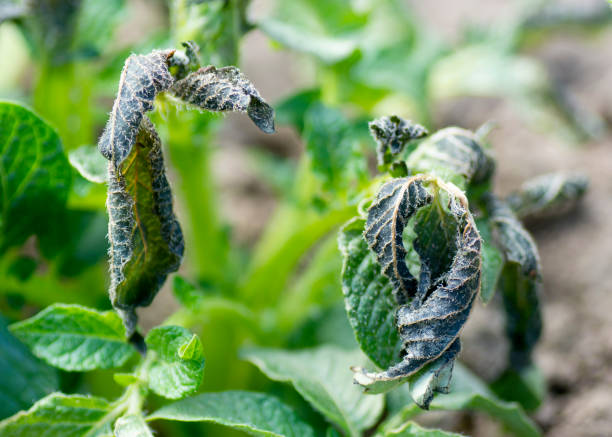
Frost Damage
- Occurs in winter
Frost can damage grass and plants by increasing water loss through transpiration. The freezing process expands water molecules within plant cells, leading to ruptured cell walls and potential injury.
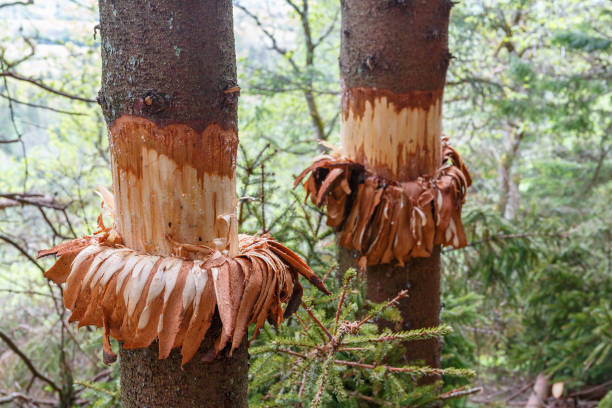
Girdled Trunk
- Affects trees and shrubs
- Can happen anytime throughout the year
Girdling often results from overly tight stake ties or damage from rodents chewing on bark. Severe cases can “strangle” the tree, causing scarring and potentially leading to its death.
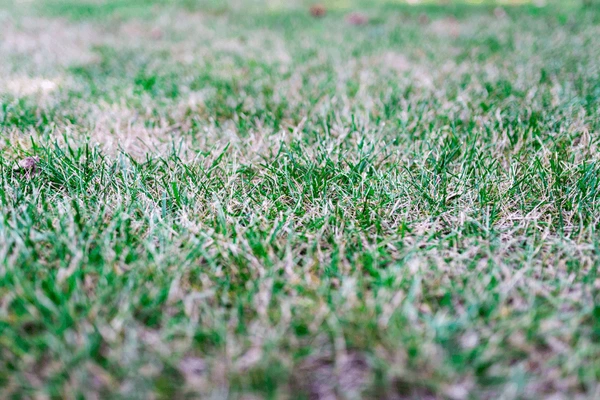
Heat Stress
- Affects trees, shrubs, and grass
- Occurs during summer heat waves
Heat stress can cause patchy, thinning grass, wilted blades, and discoloration. Trees and shrubs may also suffer from leaf wilting, browning, and premature leaf drop.
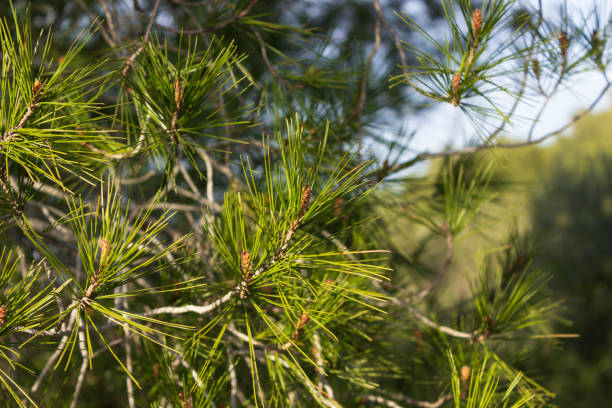
Needle Shedding
- Occurs in evergreens like Eastern white pines
- Happens every 2-5 years, typically in fall
Unlike deciduous trees, evergreens shed needles periodically rather than annually. This natural process varies by species and is not a sign of disease.
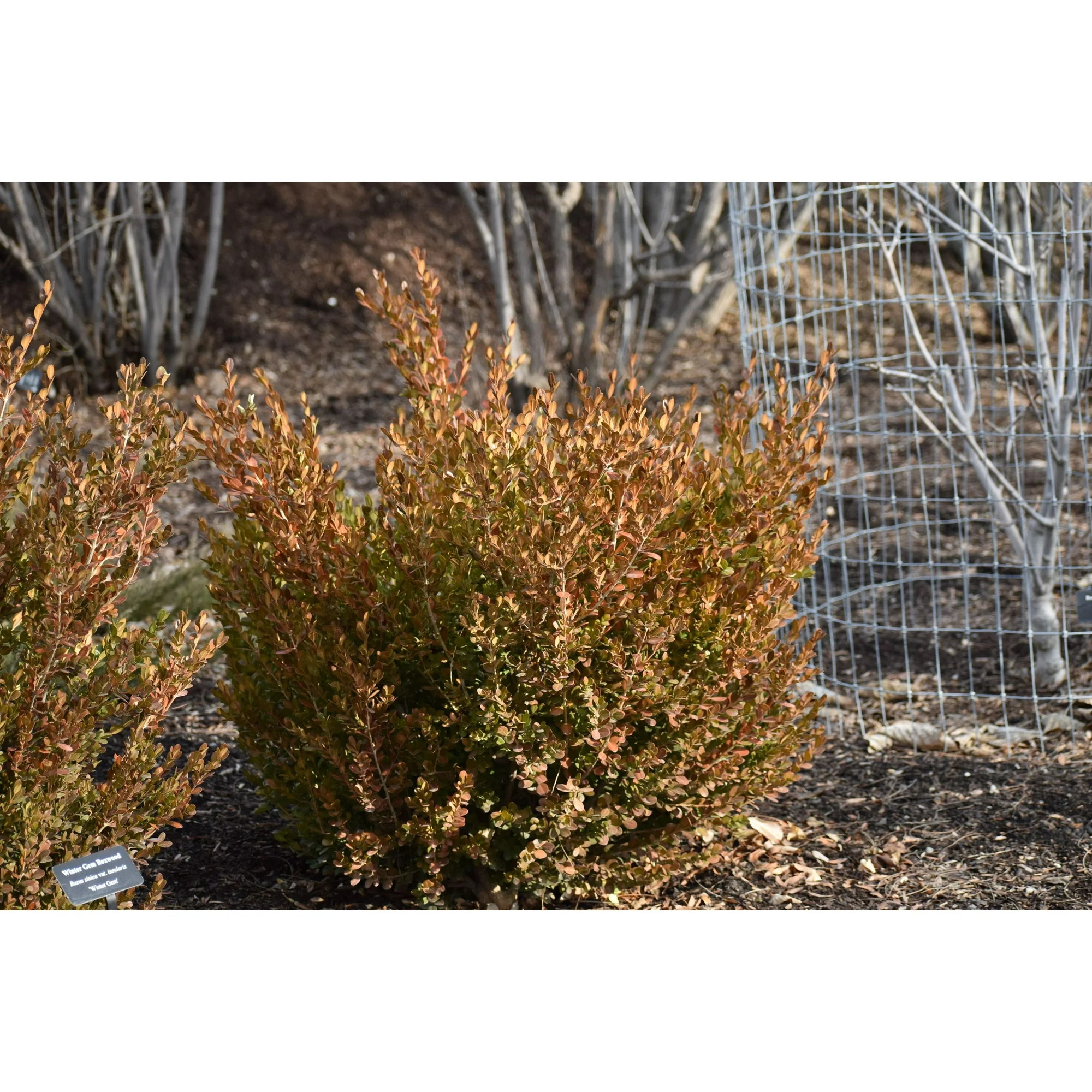
Winter Bronzing
- Common in boxwoods and evergreens
- Occurs in late winter
Cold winds, direct sun exposure, and low temperatures cause plants to lose chlorophyll, resulting in a bronze hue. This condition is temporary—once temperatures rise, the leaves regain their green color, and new growth emerges.