
Unwanted pests can cause significant damage to your home, health, and peace of mind. From insects that invade your pantry to rodents that chew through wiring, identifying and controlling these pests is essential for maintaining a safe and comfortable environment. Our Pest Library provides information on common household and outdoor pests, their behaviors, and the most effective methods for prevention and control.
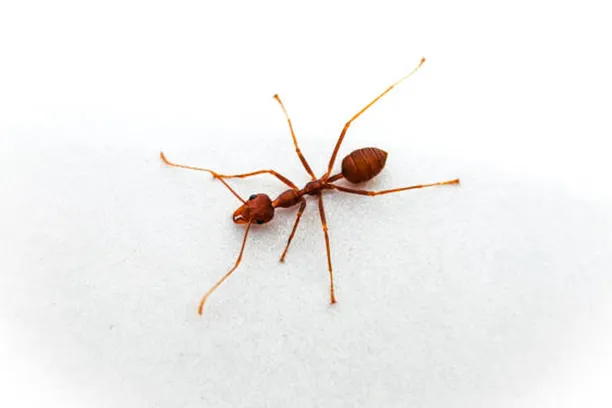
Fire Ant (Solenopsis invicta)
Fire ants are aggressive, stinging insects known for their painful bites and rapid colony expansion. They build large, dome-shaped mounds in open areas and can quickly infest lawns, gardens, and pastures. When disturbed, fire ants swarm and sting in unison, injecting venom that causes burning pain and itchy welts. Their highly organized colonies make them difficult to control, often requiring targeted treatments to eliminate.
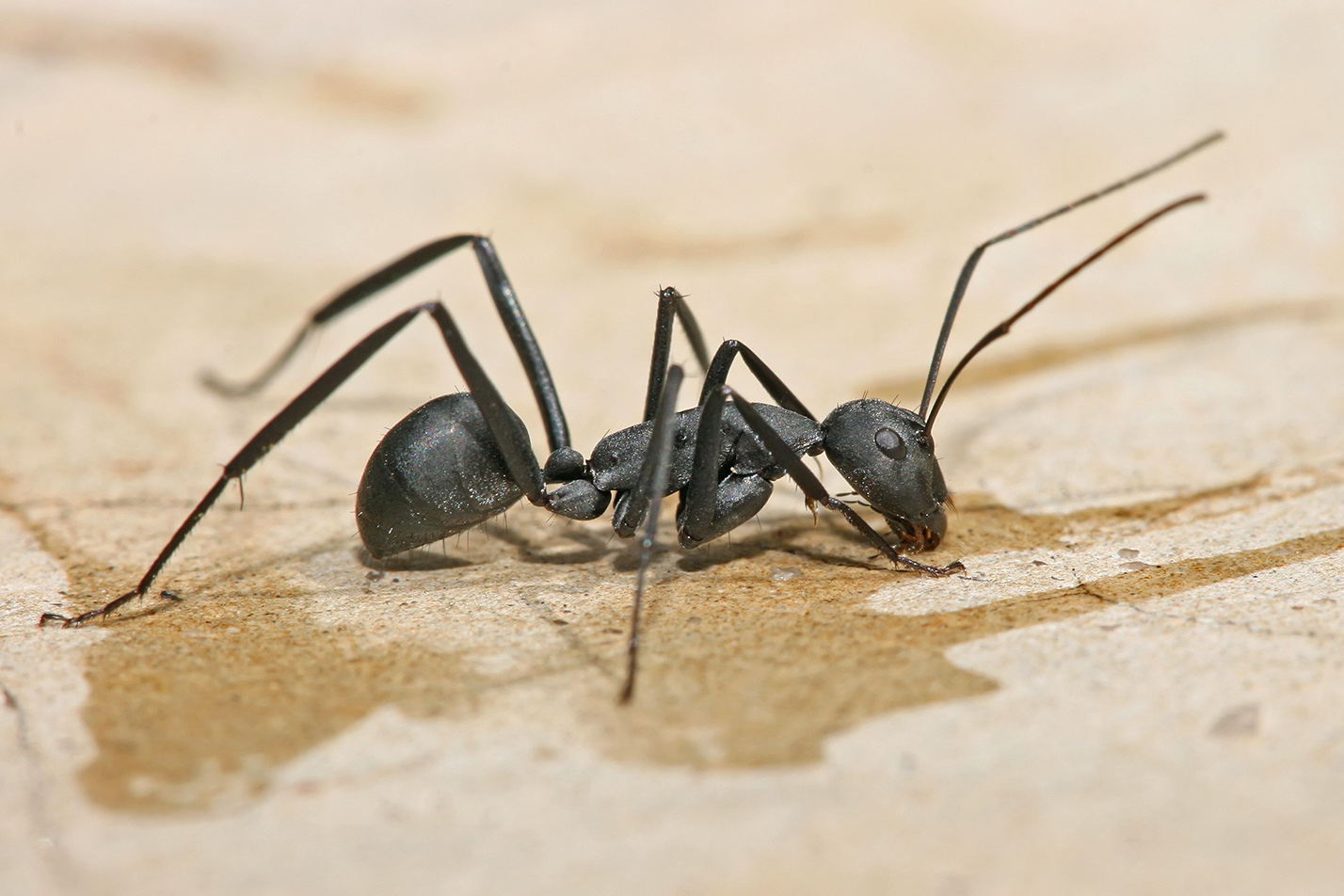
Black Carpenter Ant (Camponotus pennsylvanicus)
The Black Carpenter Ant is one of the most significant species in this region, both as a nuisance and a structural pest. These ants hollow out wood to build their nests but do not consume it, instead leaving behind sawdust-like debris. They can forage up to 100 yards from their nest in search of food, making them a persistent issue in homes and buildings.
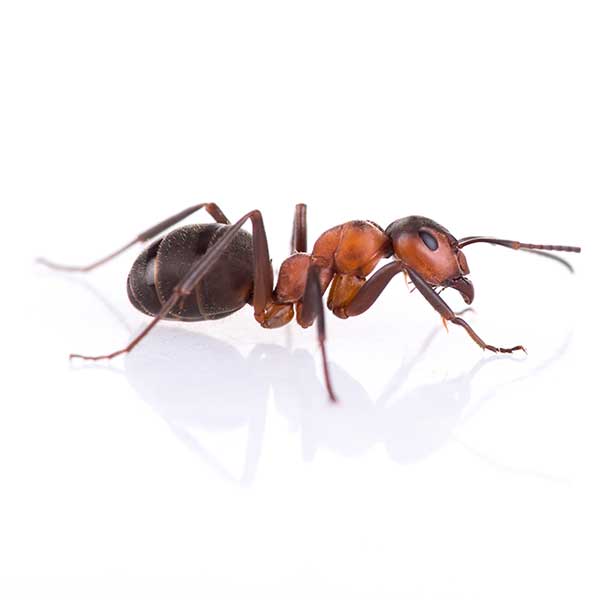
Pavement Ant (Tetramorium caespitum)
Pavement Ants are common across North America and are typically reddish-brown in color. True to their name, they build nests under pavement cracks, rocks, and other secure areas. Known for their aggressive feeding habits, these ants can sting when provoked and often invade homes in search of food.
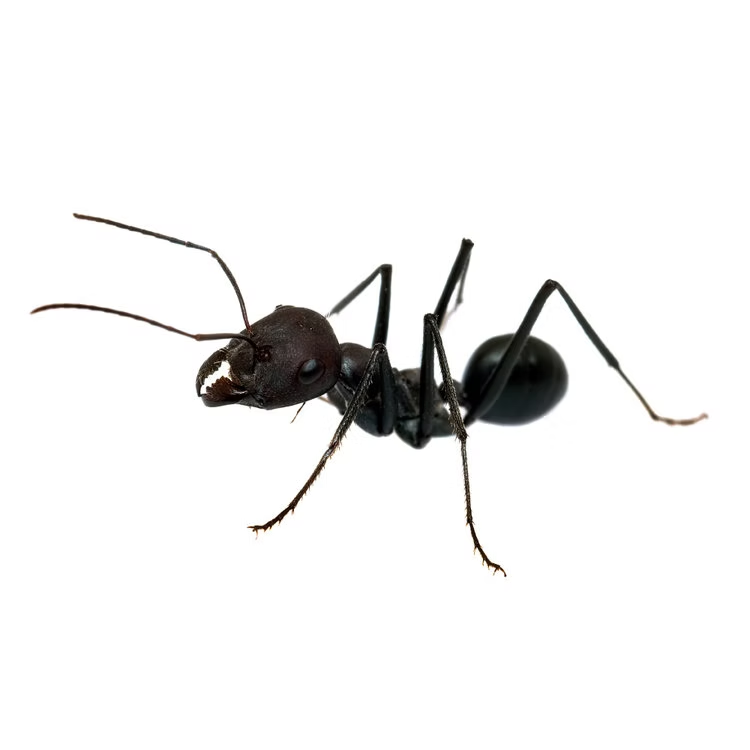
Little Black Ant (Monomorium minimum)
One of the most frequent household invaders, the Little Black Ant is tiny but numerous, making it particularly difficult to control. These ants are highly adaptable and will consume a variety of food sources, including sugars and proteins, which often leads them into homes and kitchens.
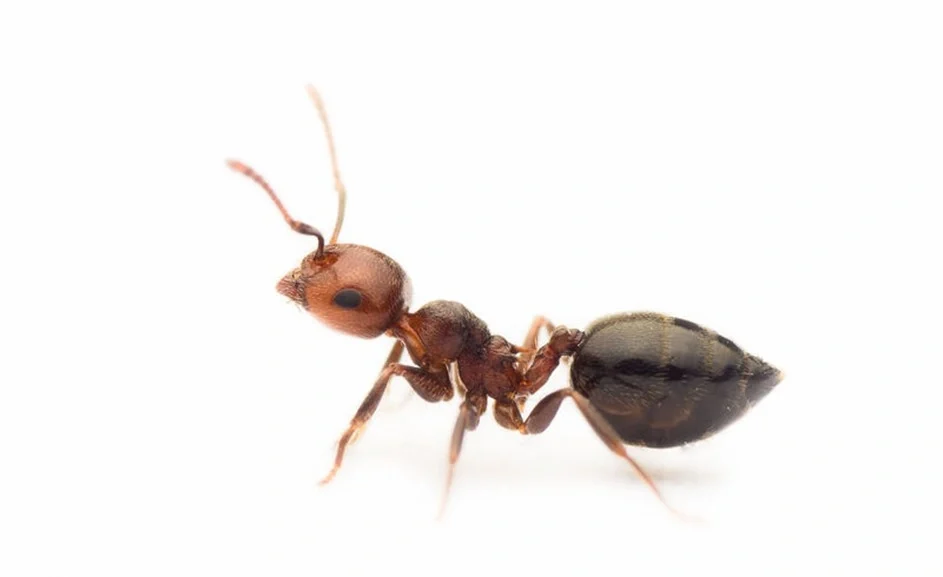
Acrobat Ant (Family Crematogaster)
Acrobat Ants are found worldwide and are known for nesting in elevated areas like trees and wooden structures. They frequently come into contact with humans as they search for food, often feeding on crumbs, sugary substances, and other insects. Their preference for nesting in wood can also make them a concern for homeowners.
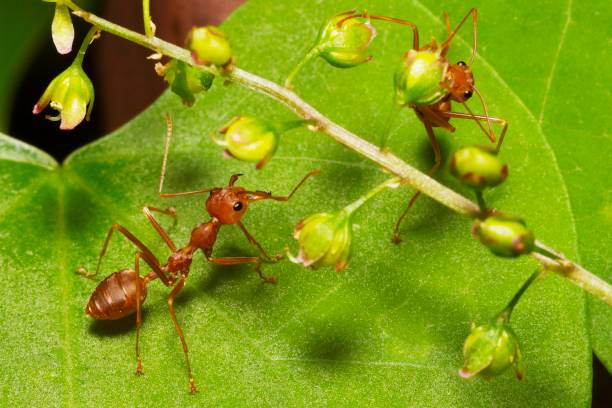
Harvester Ants
Harvester ants are commonly found in dry, sandy soils, especially in fields and open spaces. These ants are known for collecting seeds, which they store in their nests to feed on during colder months. While they play a role in seed dispersal, they can also become a nuisance if they invade lawns or yards. Their large, painful bites can pose a concern for humans and pets.
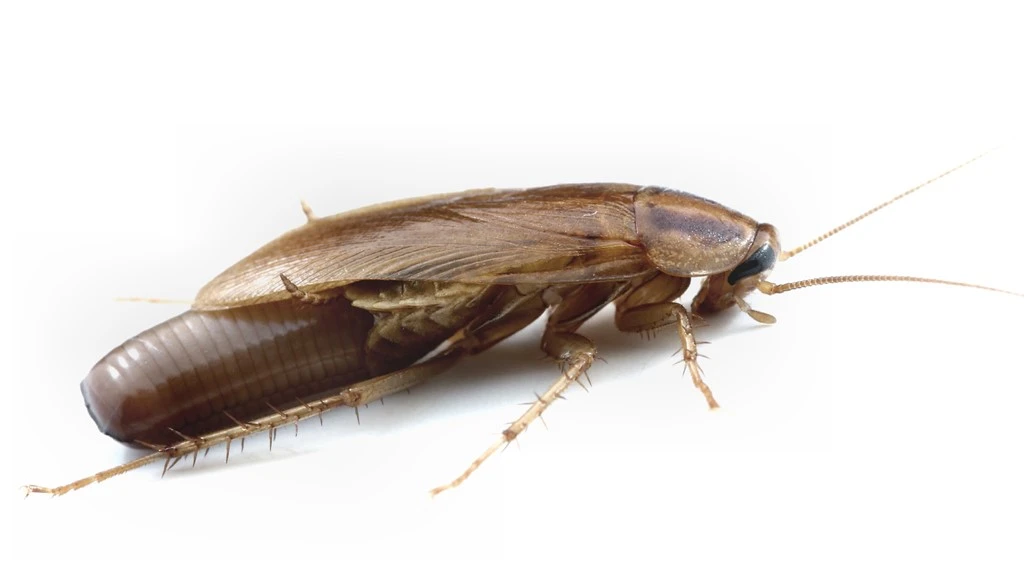
German Cockroach (Blattella germanica)
The German Cockroach is one of the most problematic cockroach species in North America. It actively seeks out warm, humid environments such as kitchens and bathrooms, where food, water, and shelter are readily available. Due to their rapid reproduction, infestations can escalate within weeks if left unchecked.
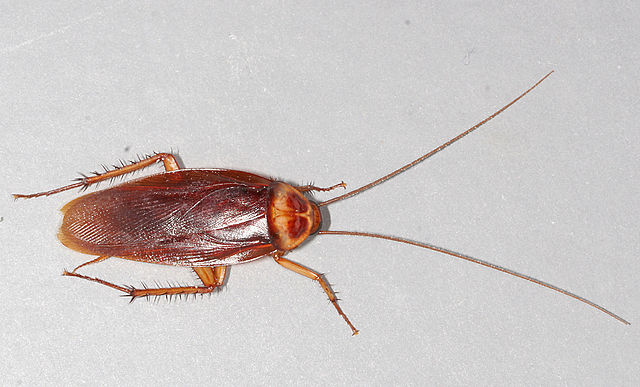
American Cockroach (Periplaneta americana)
As the largest cockroach species in the region, American Cockroaches are commonly found in homes but typically avoid kitchens, unlike their German counterparts. Instead, they prefer attics, crawl spaces, and other secluded areas, often entering through cracks and gaps in the structure.
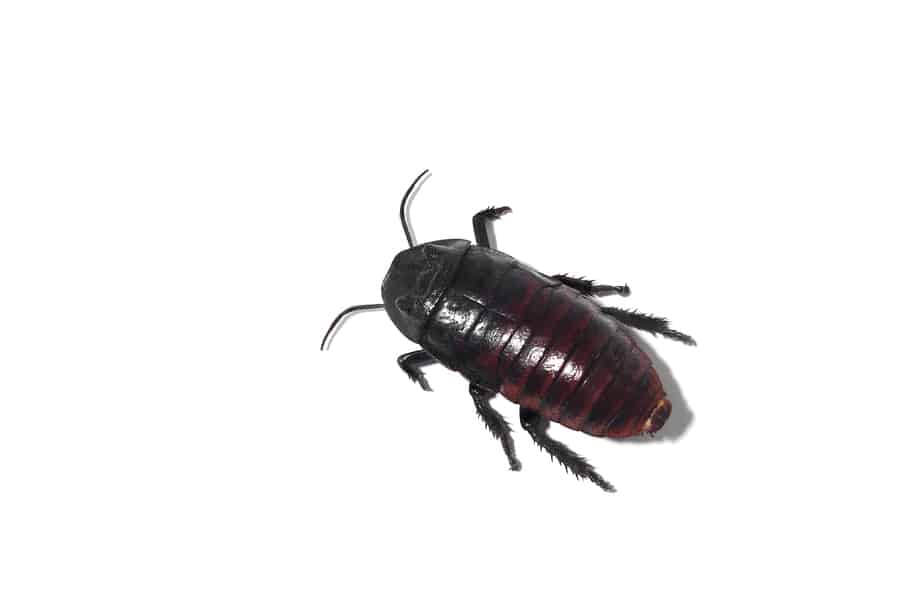
Oriental Cockroach (Blatta orientalis)
Similar to the American Cockroach, the Oriental Cockroach thrives in damp environments such as basements, crawl spaces, and under wooden decks. Controlling these pests often requires perimeter treatments around the home’s exterior to prevent infestations.
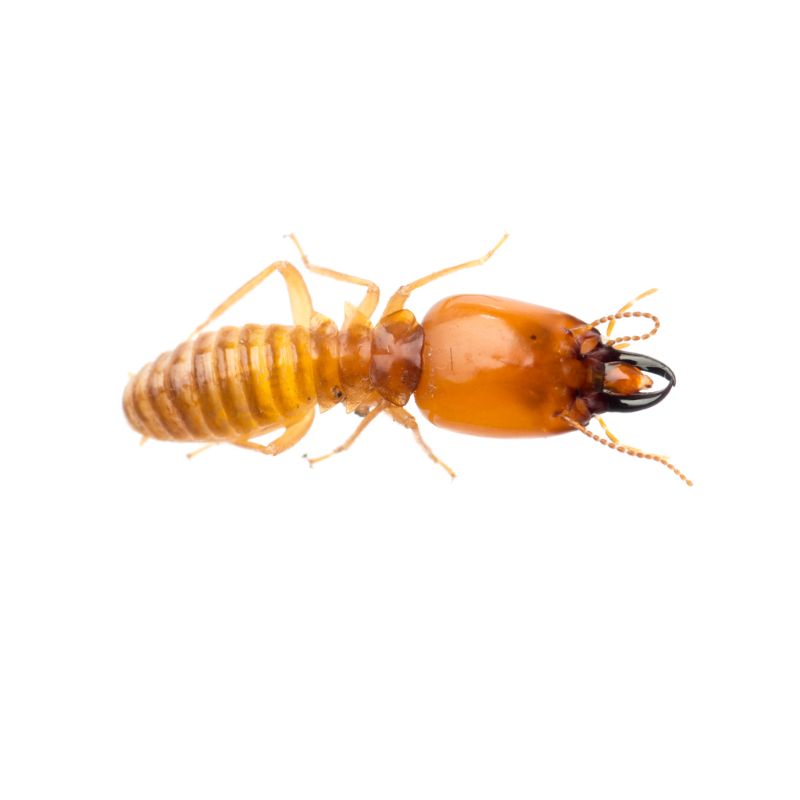
Eastern Subterranean Termite (Reticulitermes flavipes)
The Eastern Subterranean Termite is the most common and economically destructive termite species in North America. These termites live underground and forage near the soil’s surface in search of cellulose-based materials, such as wood, to consume.
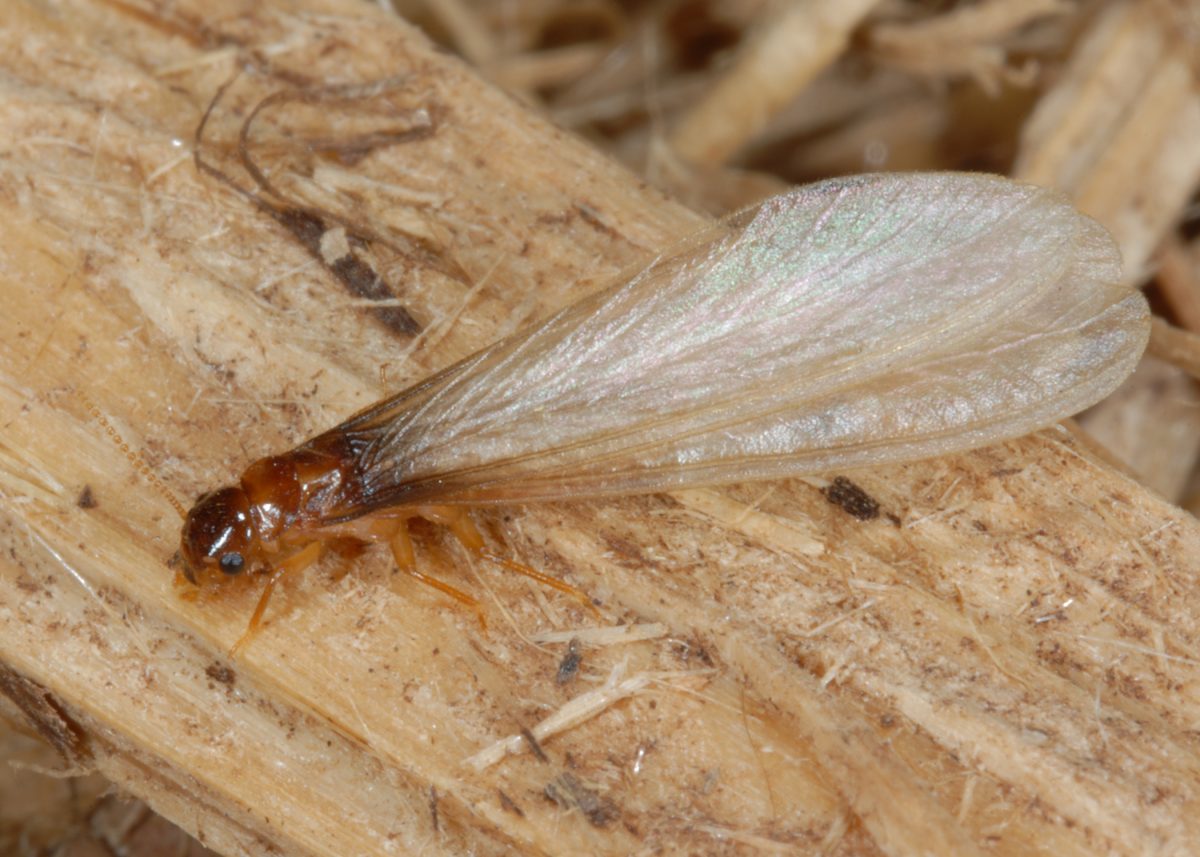
Termite Swarmers
Swarmers are the reproductive members of a termite colony. Typically emerging once a year in the spring, their purpose is to establish new colonies. The presence of termite swarmers inside a home is a strong indication of an active infestation.
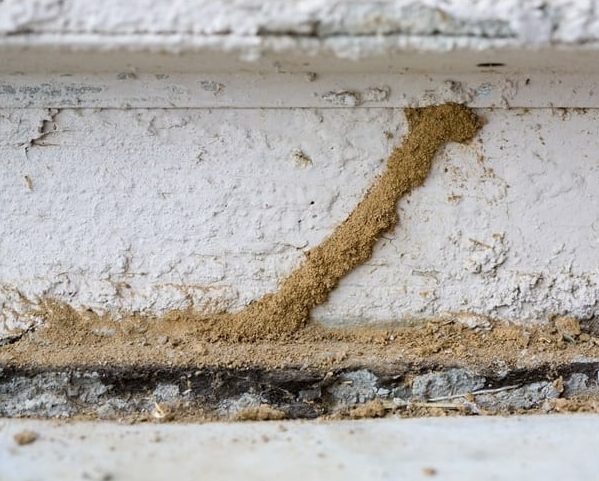
Termite Tunnels
Termites build protective tunnels, often referred to as mud tubes, to shield themselves while foraging for food. These tunnels, made from a combination of saliva, droppings, and soil, can appear on the interior or exterior of a structure, with crawl spaces being a common location.
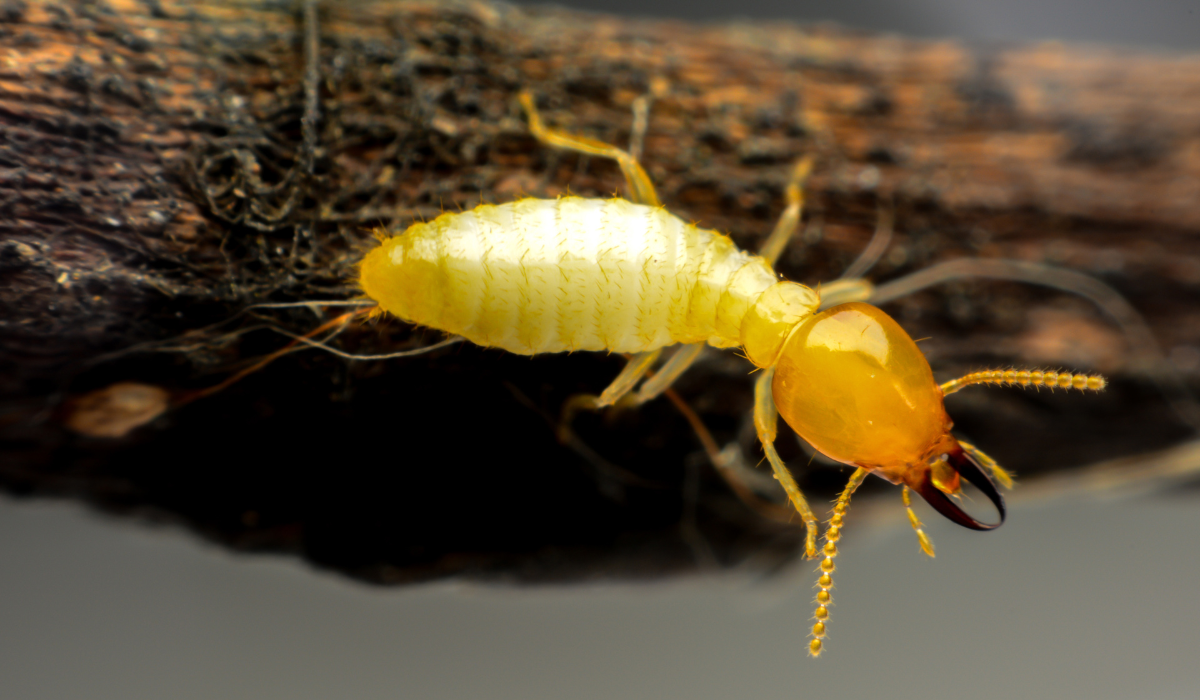
Formosan Termites (Coptotermes formosanus)
Native to Southeast China, Formosan termites are an invasive species known for their aggressive feeding habits and larger colony sizes. While similar to native termite species, they consume wood at a much faster rate. Currently, they have been identified as far north as Tennessee and may soon spread to Kentucky.
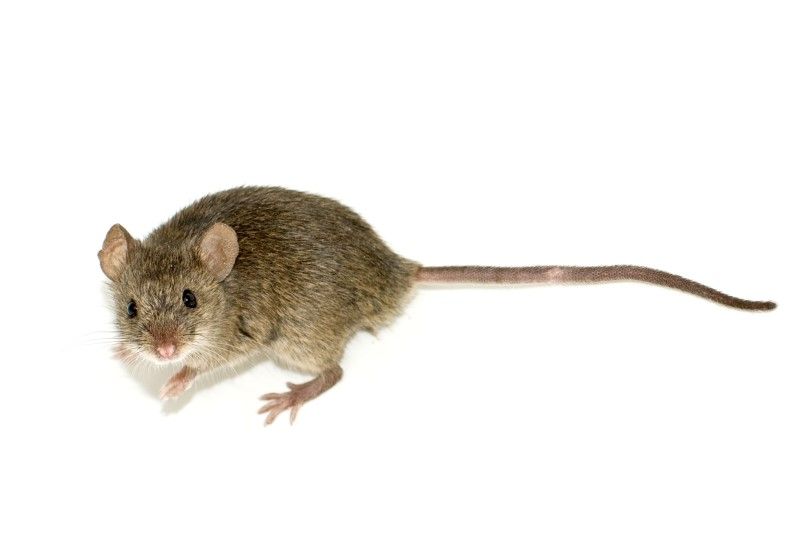
House Mouse (Mus musculus)
The house mouse is the most common and invasive rodent species in North America. During the winter months, they often seek shelter in crawl spaces and attics for warmth and food. These small rodents can squeeze through openings as tiny as a dime, making them difficult to keep out.
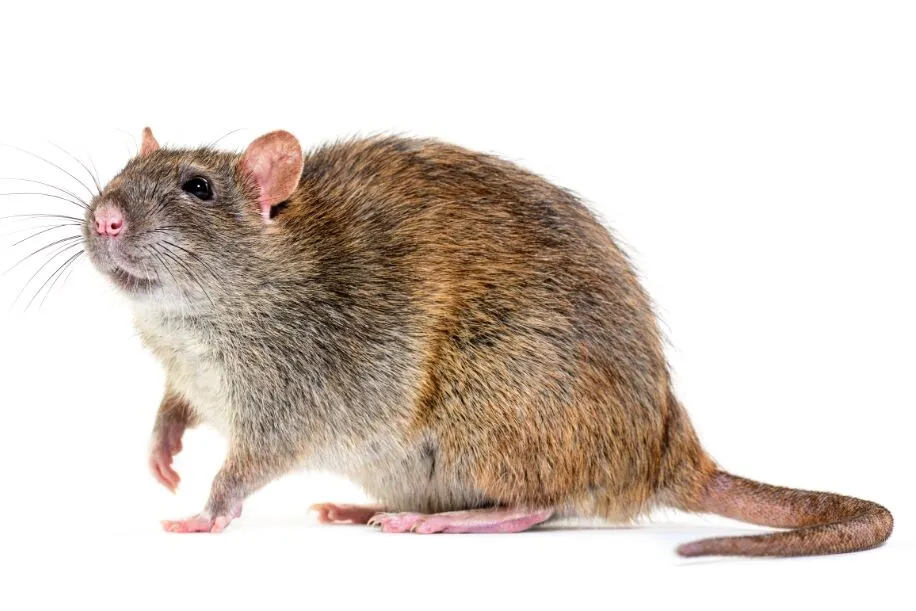
Norway Rat (Rattus norvegicus)
The Norway rat is the largest commensal rodent species and is found worldwide. Highly adaptable, they thrive in a variety of environments, including barns, storage sheds, and crawl spaces. These rats are known for creating extensive underground tunnel systems.
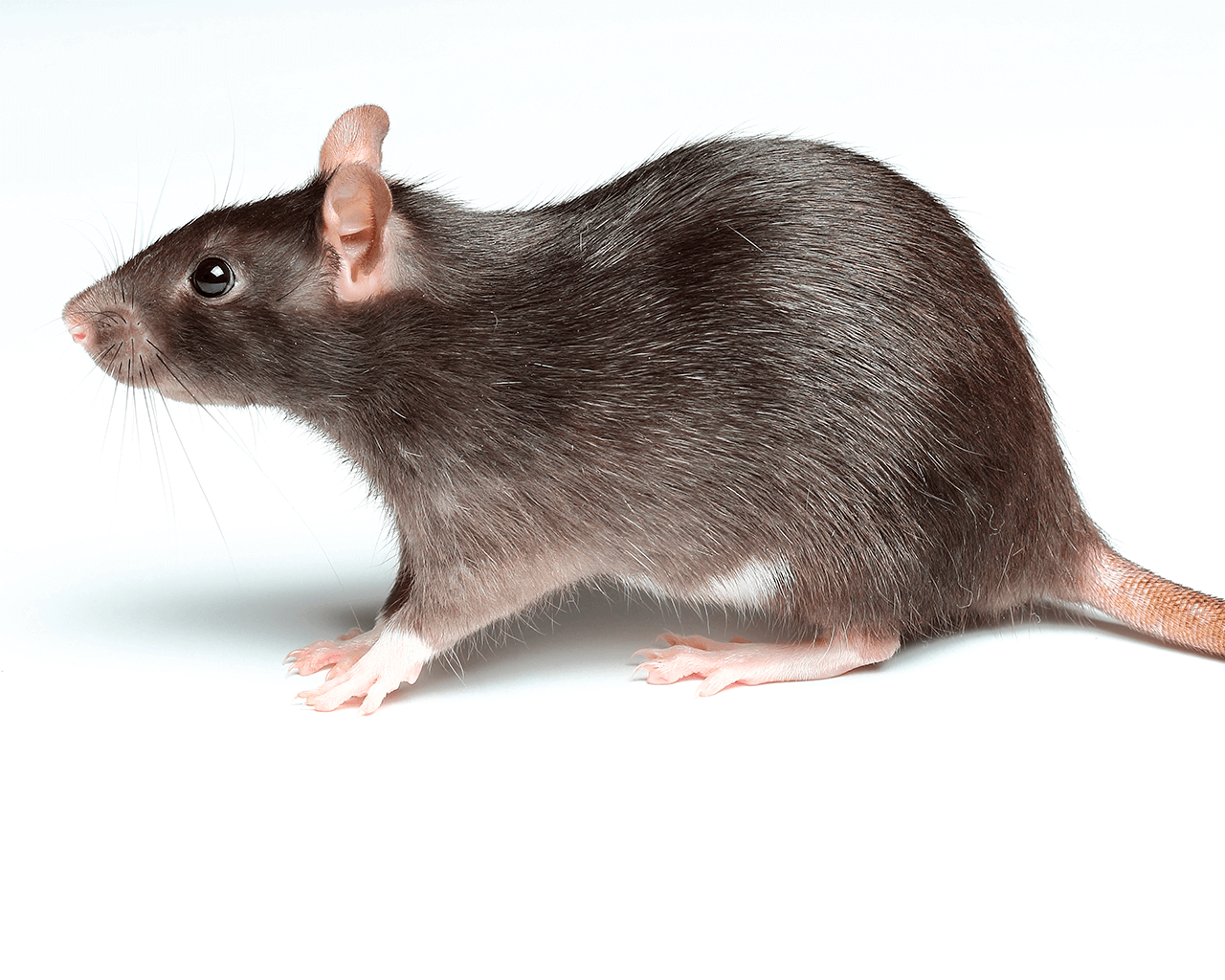
Roof Rat (Rattus rattus)
Roof rats are another common rat species in the region. True to their name, they prefer elevated areas such as rooftops and trees. As skilled climbers, they often use overhanging branches to access homes, where they may establish nests in attics.
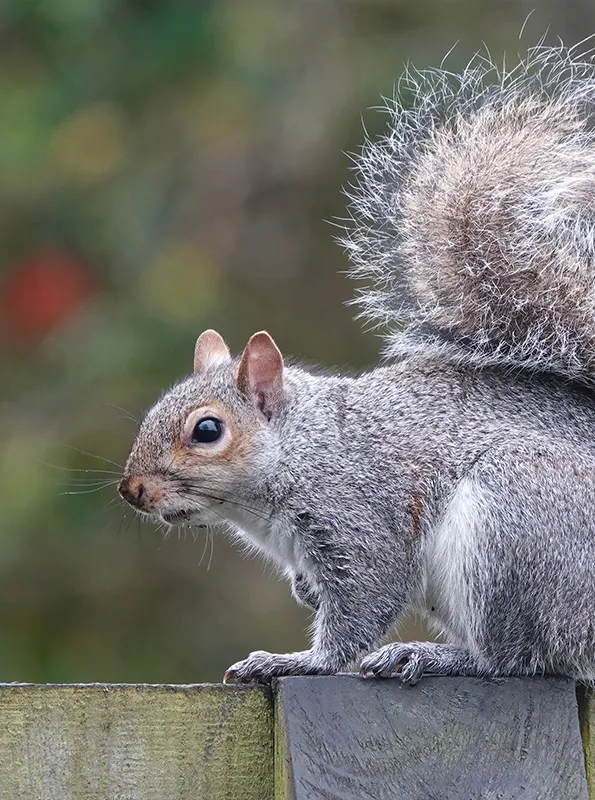
Eastern Gray Squirrel (Sciurus carolinensis)
The Eastern Gray Squirrel is one of the most recognizable backyard wildlife species. While they contribute to essential ecological processes, they often choose inconvenient nesting spots, such as roofs, attics, and eaves of buildings. Various removal and prevention strategies can help mitigate these issues.

North American Opossum (Didelphis virginiana)
Commonly referred to as the possum, this is the only marsupial native to the United States. As nocturnal scavengers, opossums often become a nuisance when searching for food in urban areas, rummaging through trash cans and pet food. Trapping, relocation, and exclusion techniques can help prevent unwanted encounters.
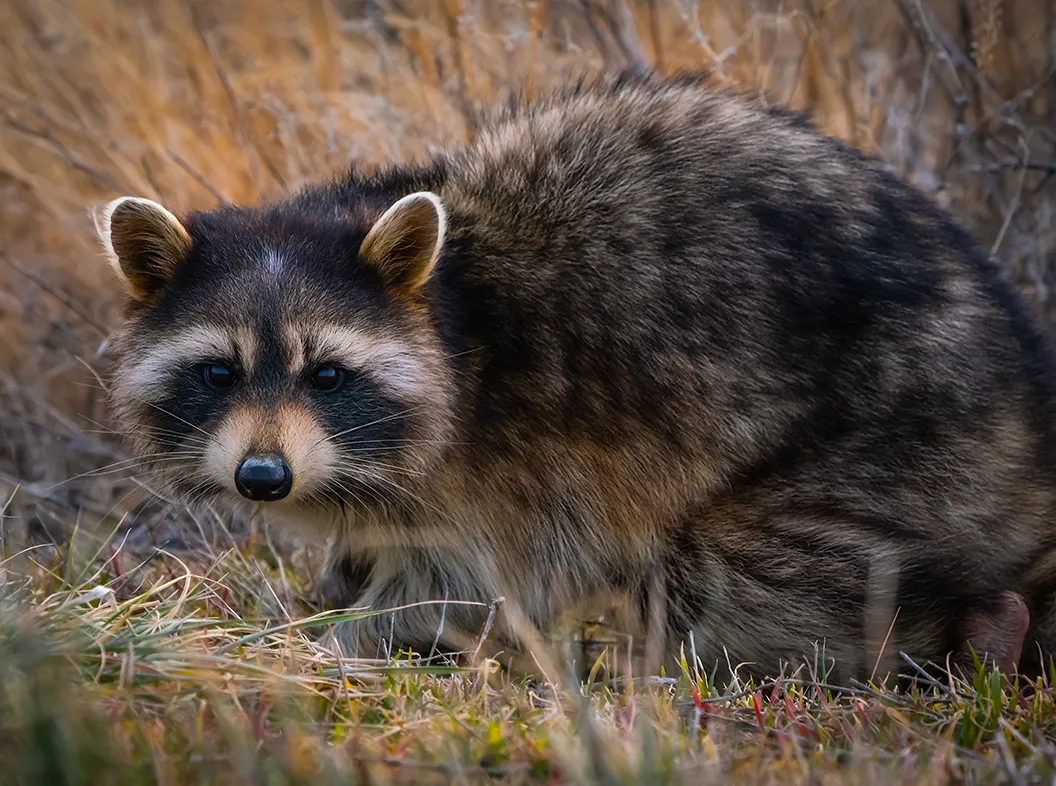
Raccoon (Procyon lotor)
Raccoons are intelligent and highly adaptable omnivores found across North America. Similar to opossums, they scavenge for food near homes, often rummaging through garbage bins. Their intelligence and dexterity can make them challenging to trap and remove.
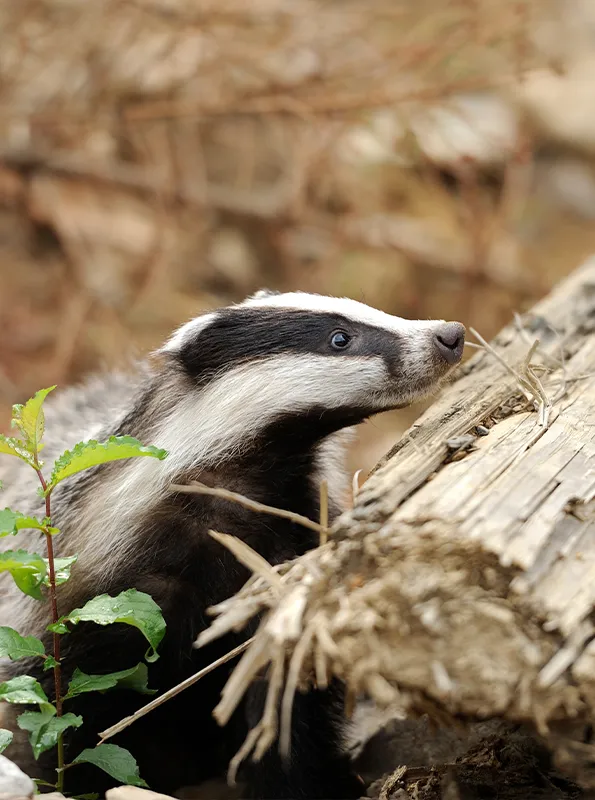
Striped Skunk (Mephitis mephitis)
Best known for their defensive spray, striped skunks can become a problem when they take shelter in barns, sheds, crawl spaces, or burrows near human dwellings. Close encounters with skunks can lead to unpleasant situations due to their instinct to spray when threatened.
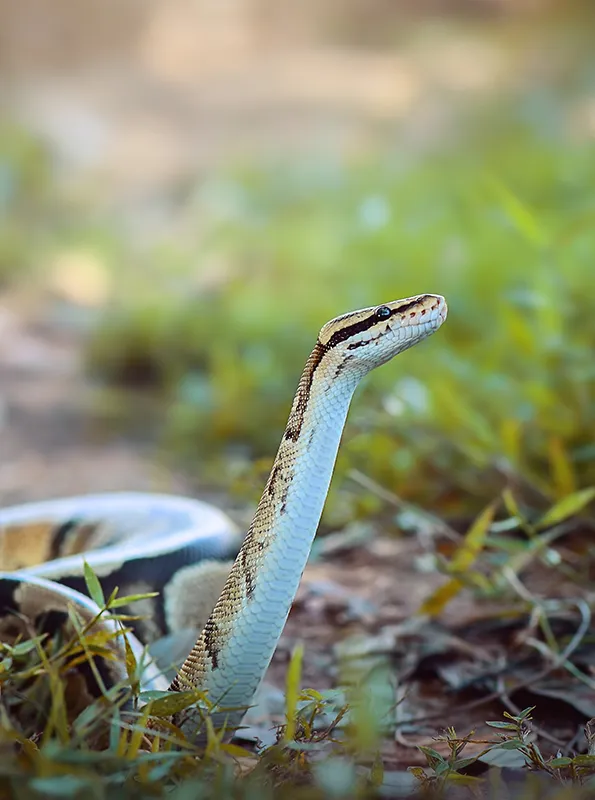
Snakes
This region is home to many snake species, all of which play a vital role in maintaining ecological balance. However, four venomous species—Rattlesnake, Cottonmouth, Copperhead, and Coral Snake—can pose a danger to humans. Since identifying venomous snakes can be difficult, it’s essential to exercise caution when encountering them.
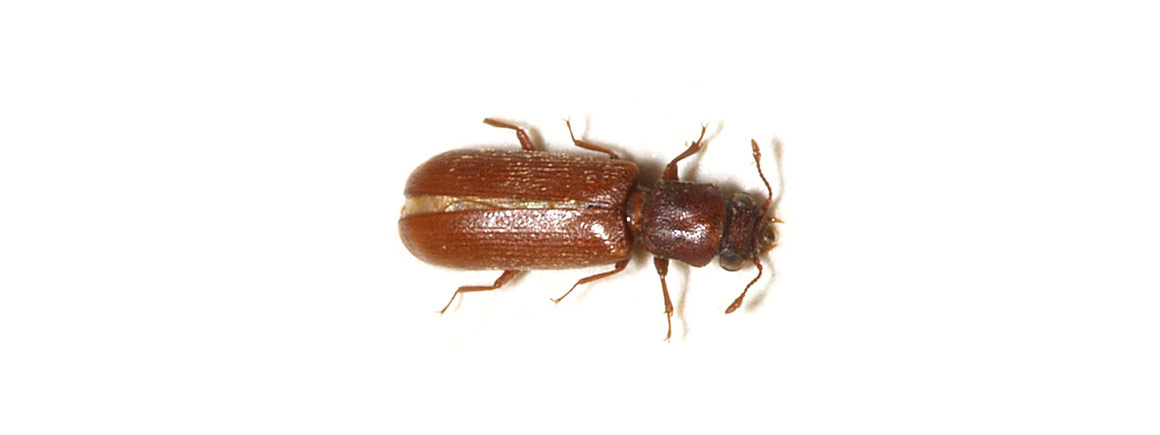
Powderpost Beetles (family Bostrichidae)
Several species of powderpost beetles (family Bostrichidae) may infest homes, with their ability to tunnel through wood being the primary concern for homeowners. Typically found in crawl spaces, these beetles create small holes in wooden structures, where they deposit their larvae. The larvae then consume the wood as they develop, a process that can take up to two years.
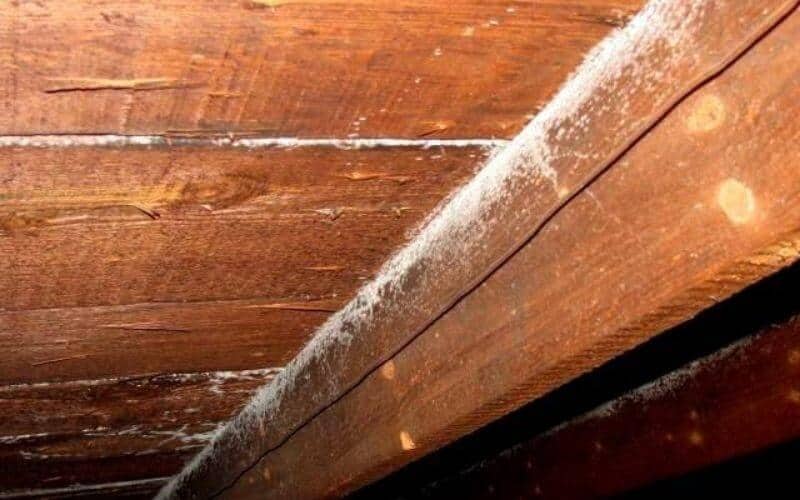
Fungus and Mold
Excess moisture in crawl spaces often leads to the growth of various fungi and mold species. These organisms weaken the wood’s structural integrity over time, while also releasing harmful spores that can spread into the living areas of the home.
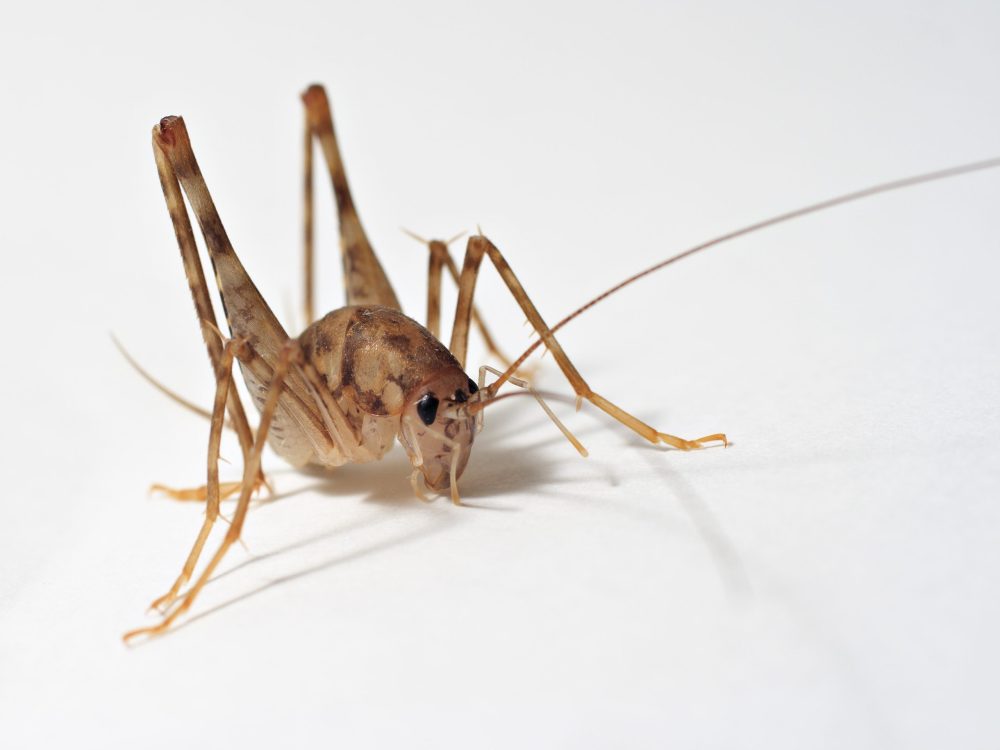
Camel Crickets (family Rhaphidophoridae)
Camel Crickets (family Rhaphidophoridae) thrive in dark, damp environments like crawl spaces. Though they do not pose any direct safety threats to homeowners, they can swarm in large numbers, eventually finding their way into living spaces. A targeted insecticide treatment usually resolves the issue.
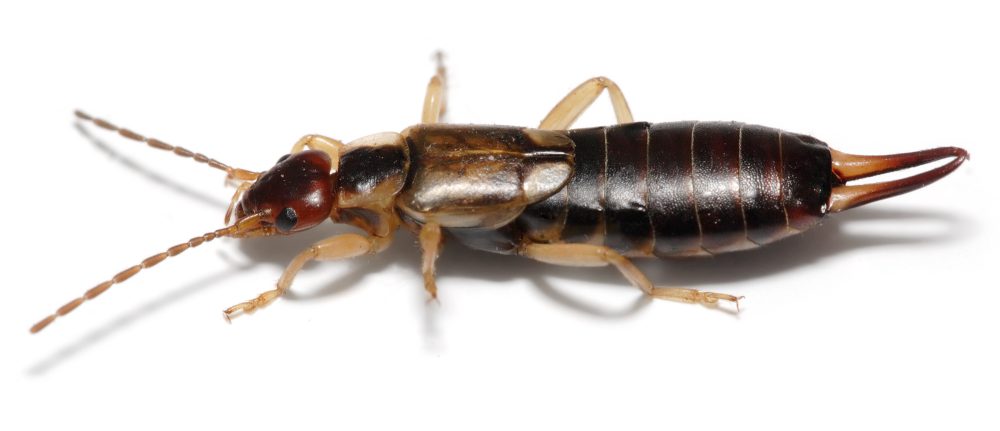
Earwigs (Forficula aricularia)
Earwigs (Forficula aricularia) are a common household pest throughout North America and beyond. Their small size, flattened bodies, and wide-ranging diet make them adept at infiltrating homes and businesses. They favor dark, moist areas such as crawl spaces, where they seek shelter and can often become a nuisance.
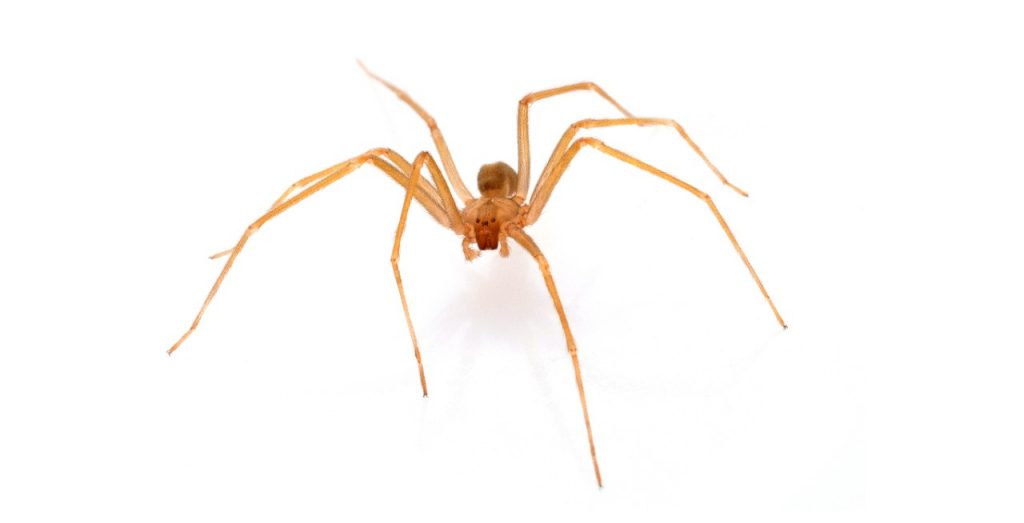
Brown Recluse (Loxosceles reclusa)
The Brown Recluse is a common spider in this area, known for its necrotic venom. Although a bite from a brown recluse is rarely fatal, it typically requires medical attention, as reactions can vary from person to person. These spiders are nocturnal hunters, hiding in dark, undisturbed spots during the day. Encounters with humans often happen when moving boxes or other items in secluded areas like closets, garages, and attics.
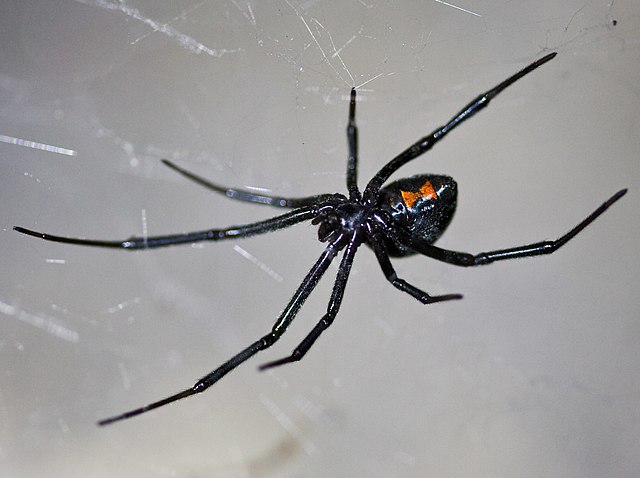
Black Widow (Latrodectus mactans)
The Black Widow is another venomous spider found in this region. While their bite is similar to that of the brown recluse and typically non-fatal, it can cause varying reactions to the neurotoxin. Caution should be exercised when handling them, as individual responses to the bite can differ. Although black widows may be found indoors, they usually prefer cluttered outdoor areas such as sheds, debris piles, and garages.
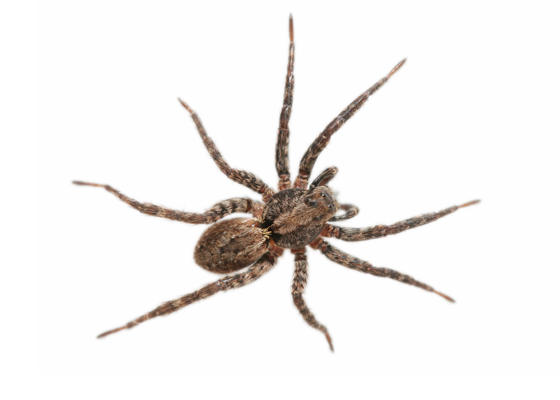
Cellar Spider (Family Pholcidae)
The Cellar Spider is a common spider family known for favoring dark, secluded spaces like cellars, crawlspaces, and attics. They are often spotted in homes, particularly in the corners where the walls meet the ceiling.
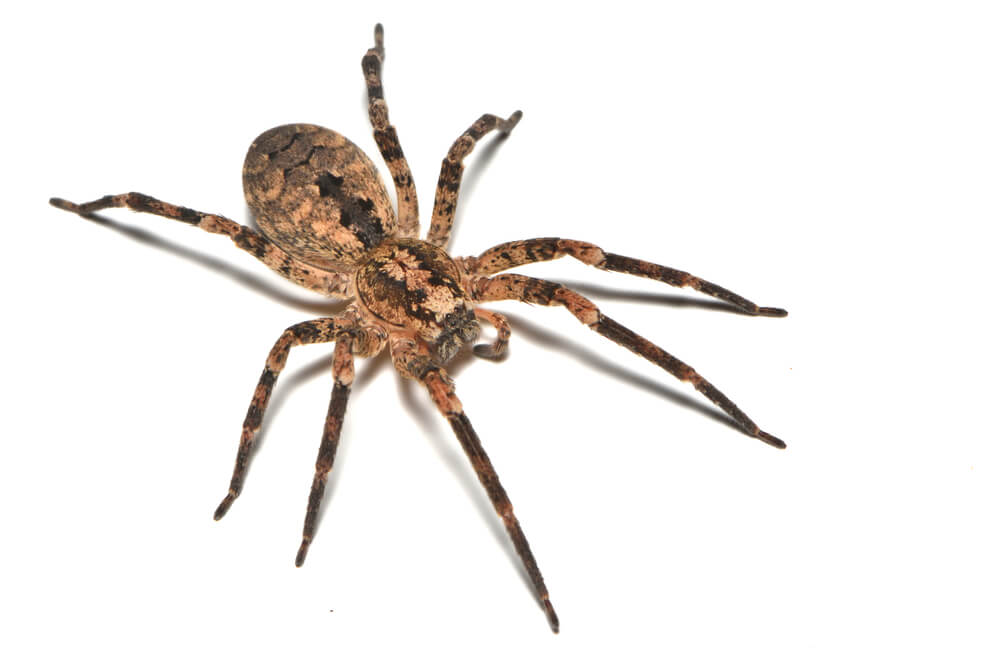
Wolf Spider (Family Lycosidae)
The Wolf Spider is easily recognizable due to its large size, often reaching up to an inch in length. These spiders hunt a variety of insects and are generally beneficial in controlling pests. Though they tend to stay outdoors, they may wander inside, often causing alarm due to their size.
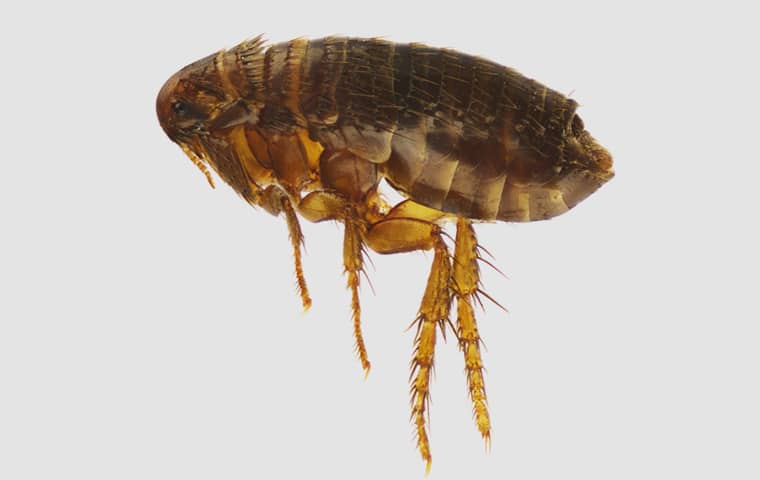
Cat Flea (Ctenocephalides felis)
The Cat Flea is the most common flea species that affects humans. Like all fleas, they feed on human blood, using the proteins to produce eggs. All stages of the flea life cycle (egg, larva, pupa, and adult) live on their host, though adults are capable of jumping and searching for new hosts. Fleas often take refuge in carpets, meaning that an entire house may need treatment to eliminate an infestation.
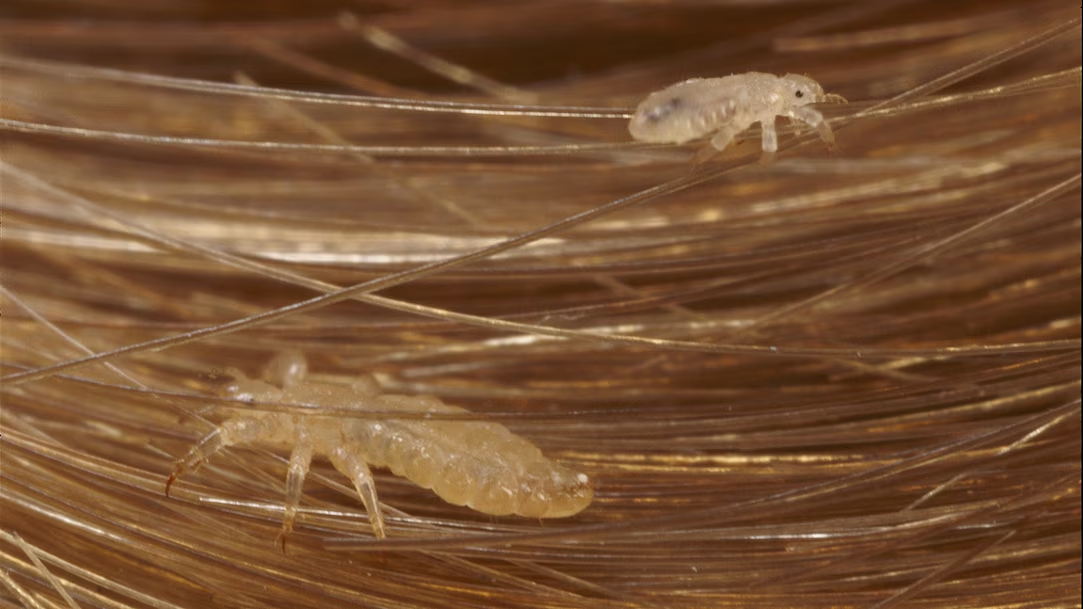
Head Louse (Pediculus humanus capitis) and Body Louse (Pediculus humanus humanus)
Head lice and body lice are the two species of lice that affect humans. The body louse is more concerning than the head louse because it can carry diseases like epidemic typhus and trench fever, whereas the head louse does not. Both types of lice live exclusively in human hair, and they cannot be treated by pest control professionals.
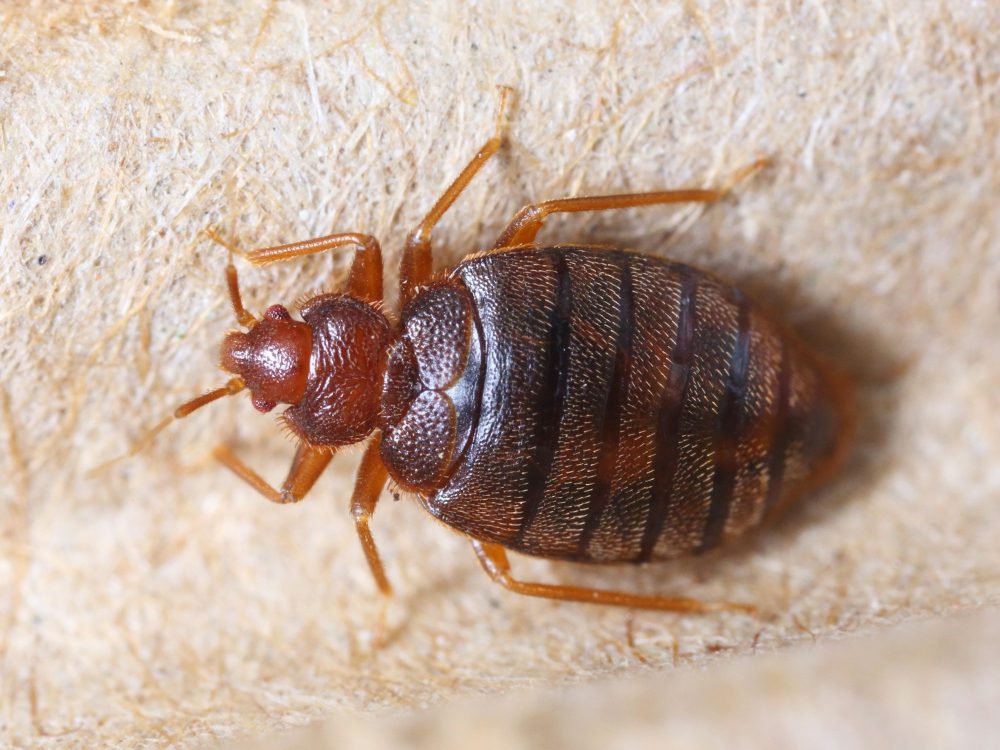
Bed Bug (Cimex lectularius)
Bed bugs are considered the most significant ectoparasite worldwide. As their name suggests, these insects live in and around places where humans sleep. They feed on human blood, emerging at night to bite while people sleep and hiding in hard-to-reach crevices during the day. Although their bites can be itchy, painful, and cause allergic reactions, bed bugs are not known to transmit diseases. Treating a bed bug infestation is complex due to their elusive nature, resilience, and ability to survive up to a year without food.
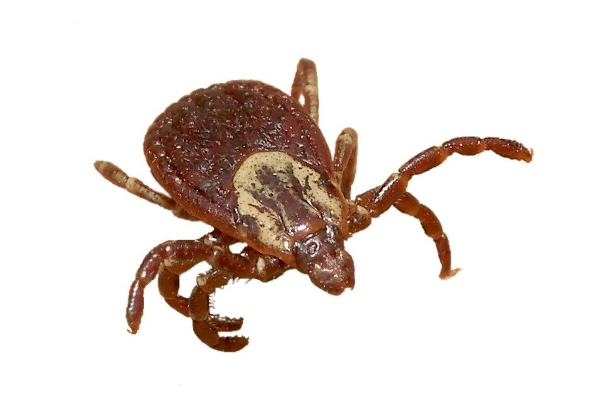
American Dog Tick (Dermacentor variabilis)
The American Dog Tick is the most common tick species in this area, though many other tick species also bite humans. These small ticks wait in tall grass and shrubs for a host to pass by, attaching to feed. While they can be easily removed with tweezers, ticks can sometimes transmit diseases such as Rocky Mountain spotted fever.
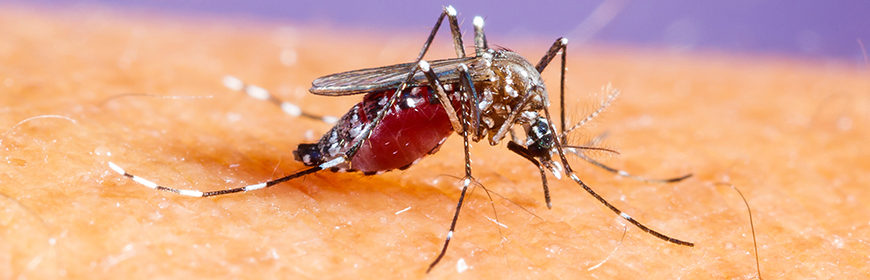
Asian Tiger Mosquito (Aedes albopictus) and Floodwater Mosquito (Aedes vexans)
The Asian Tiger Mosquito and Floodwater Mosquito are two common mosquito species in this region, both known for their aggressive behavior toward humans. Only female mosquitoes bite humans to obtain blood, which aids in the development of their eggs. Mosquitoes are also potential carriers of various diseases, transmitting them through blood. A combination of preventative measures and insecticide treatments is necessary to manage mosquito populations.
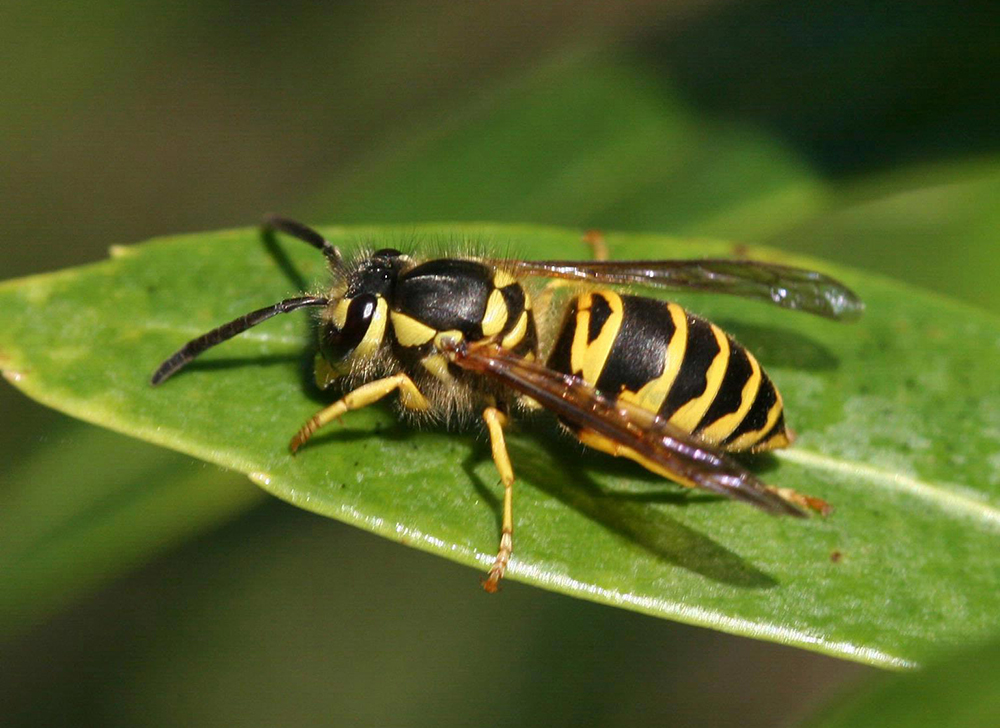
Eastern Yellow Jacket (Vespula maculifrons)
The Eastern Yellow Jacket is a common wasp species recognizable by its black and yellow coloring. This species builds its nest underground and will aggressively protect it. Their stings are highly painful, and multiple stings may require medical attention.
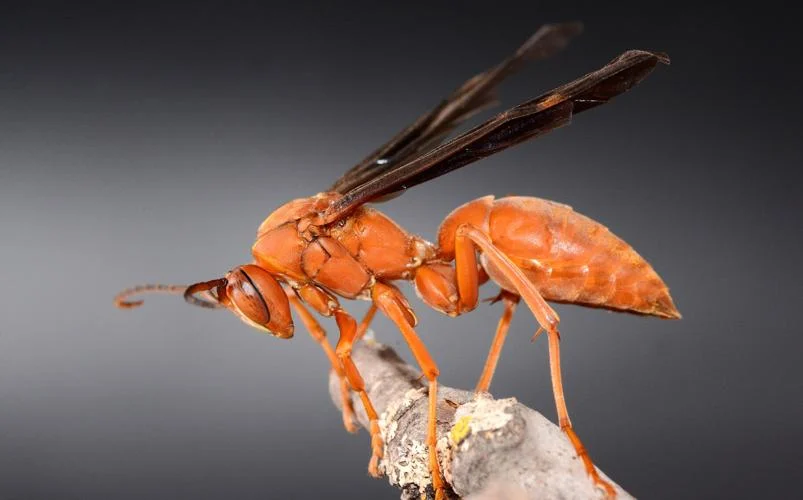
Red Paper Wasp (Polistes carolina)
The Red Paper Wasp is one of the most abundant wasp species in this area, often building its distinctive nests on the eaves of homes. While they are not particularly aggressive, they will sting if provoked or if someone approaches their nest. It’s important to remove these nests from your home, as their populations can grow rapidly.
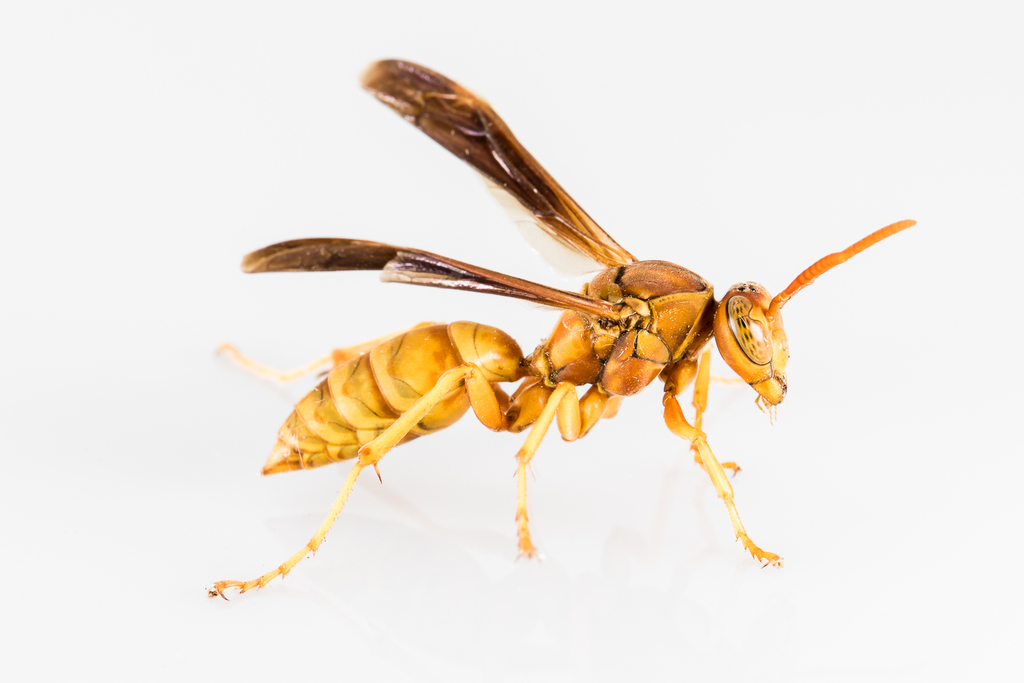
Yellow Paper Wasp (Polistes versicolor)
The Yellow Paper Wasp is another species of paper wasp found in this area. It shares similar habits with the Red Paper Wasp, feeding on insects, nectar, and tree sap. Often mistaken for hornets or yellow jackets, they can be distinguished by their smaller size and generally more docile nature.
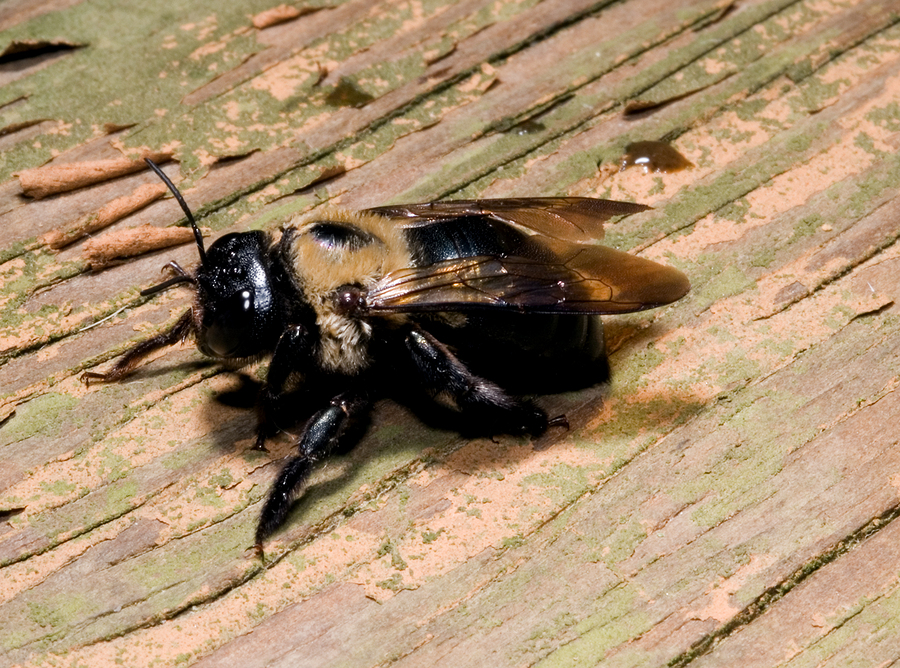
Carpenter Bee (Xylocopa virginica)
Carpenter Bees are large bees known for nesting in wooden structures. They create tunnels in the wood to lay their eggs, sometimes burrowing several inches deep. While their tunnels typically don’t compromise the wood’s structural integrity, they can cause long-term moisture damage. While they are more of an annoyance than a threat, carpenter bees almost never sting.
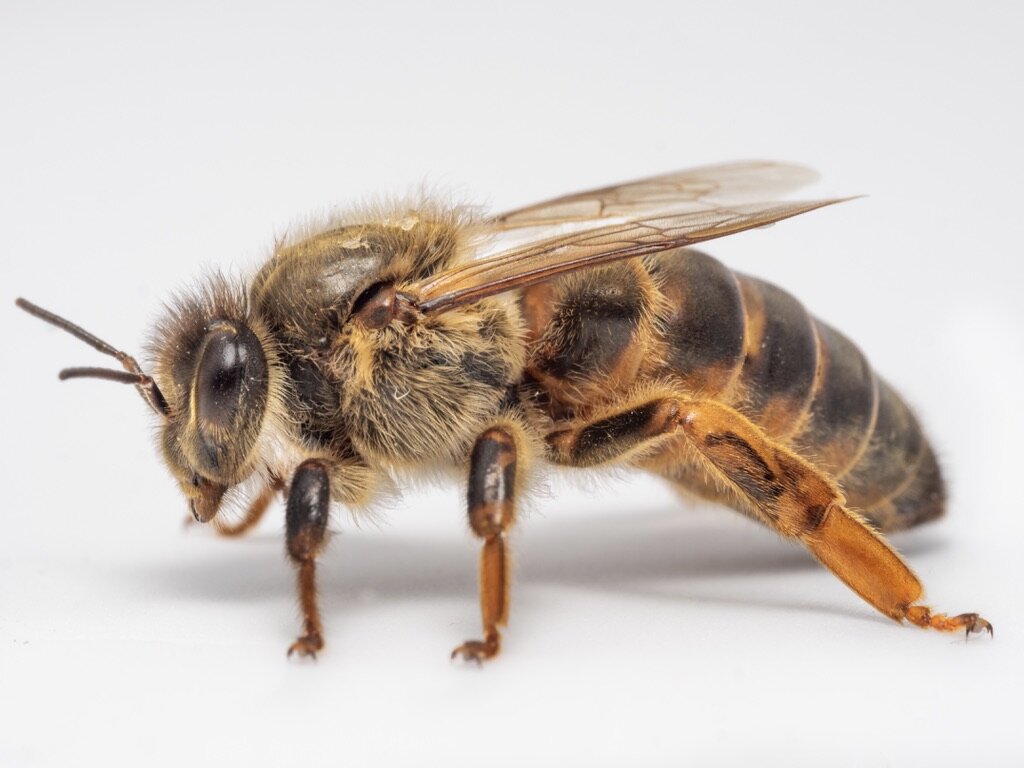
Honey Bee (Genus Apis)
Honey Bees, belonging to the genus Apis, are famous for producing honey from flower nectar. In many regions, they play a critical role in the environment. However, they can become pests when they build their nests in trees near homes or inside eaves and attics.
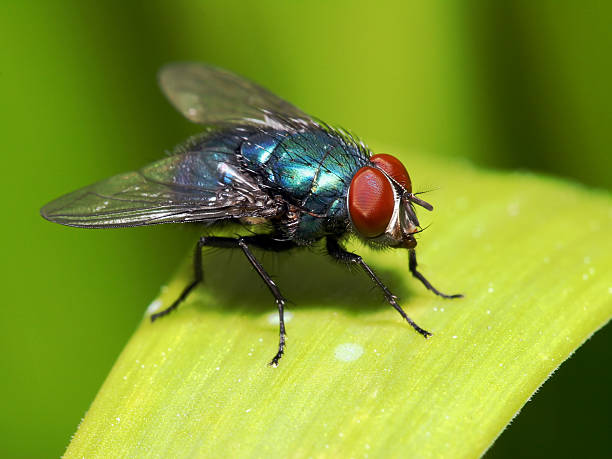
House Fly (Musca domestica)
House Flies are common pests found worldwide, often around garbage, food, and decaying organic matter. They do not bite but can spread bacteria and diseases by contaminating surfaces. House Flies reproduce rapidly, making proper sanitation and fly control essential in preventing infestations.
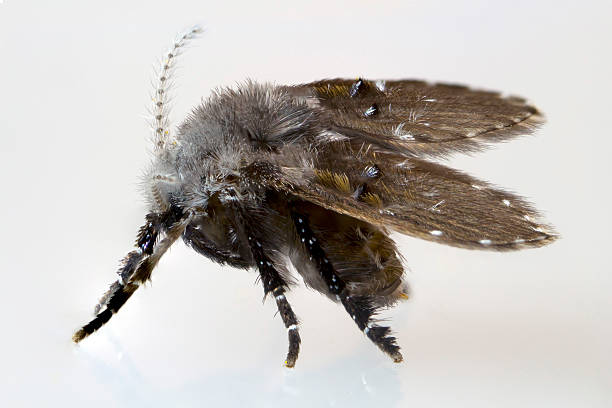
Drain Fly (Psychodidae family)
Drain Flies, also known as moth flies, thrive in damp environments such as sink drains, sewage systems, and standing water. Their fuzzy, moth-like appearance makes them easy to identify. While they do not bite, they can become a nuisance in large numbers and indicate potential plumbing or sanitation issues.
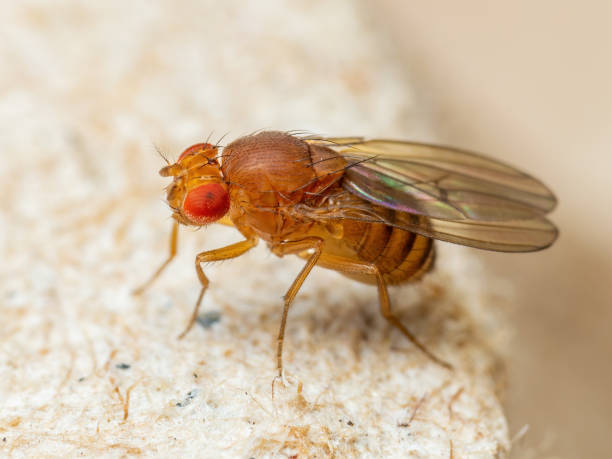
Fruit Fly (Drosophila spp.)
Fruit Flies are tiny insects attracted to overripe fruit, fermenting liquids, and sugary residues. They reproduce quickly, laying eggs in moist organic matter. Although harmless to humans, their presence in kitchens and food storage areas can be frustrating, requiring proper food storage and waste management to eliminate infestations.