
Texas Lawn and Tree Care Experts
Comprehensive Lawn Care Solutions for Texas Properties

Lawn Weed Control
Weed Control Approach:

Available Plans

Flowerbed Weed Control
Are You Battling Persistent Weeds in Your Texas Landscape?
The Weed Control Challenge
Our Expert Flowerbed Weed Control Strategy
Weed Protection for Every Season
Let us handle the ongoing work of weed prevention and control, so you can spend your valuable time doing what matters most – enjoying life with family and friends.
Early Season Prevention
Spring Management
Summer Maintenance
Fall Preparation
Tree and Shrub Healthcare
Are Your Trees and Shrubs Struggling in the Texas Heat?

Our Proven Tree and Shrub Healthcare Program

Tree & Shrub Plan
Round 1 Winter Dormant Oil
Round 2 Spring Fertilization
Round 3 Early Disease & Insect Control
Round 4 Plant Protection
Round 5 Mid-Season Foliage Protection
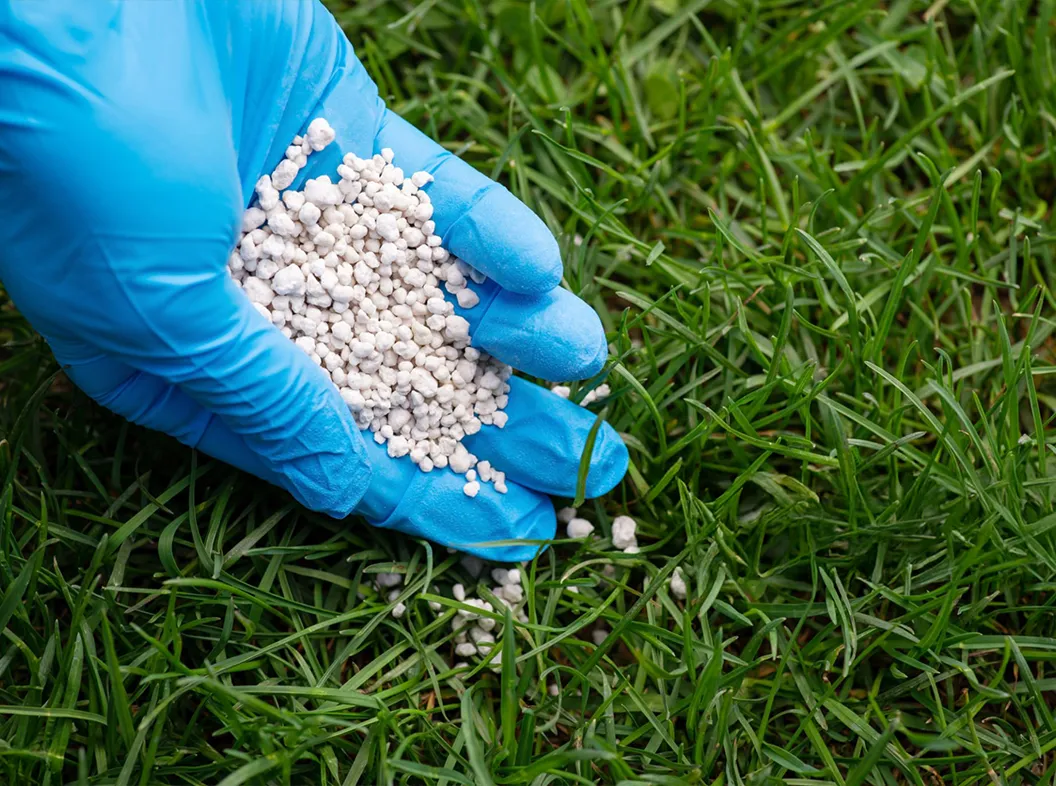
Lawn Fertilization
Landscaping and Mowing

What’s Included
Sod Installation
Tree Trimming
Flowerbed Borders
Gravel Walkways
Rock and Paver Landscapes
Landscape Lighting
Mowing
Irrigation

Lawn Insect Control
Pest & Disease
Unwanted pests and plant diseases can quickly spread across your yard, causing lasting damage to your landscape. Our pest and disease management program provides proactive and targeted solutions to keep these threats in check. From fungal infections in your grass to insects damaging your shrubs, Get Green Lawn Kings ensures your yard remains healthy and vibrant.
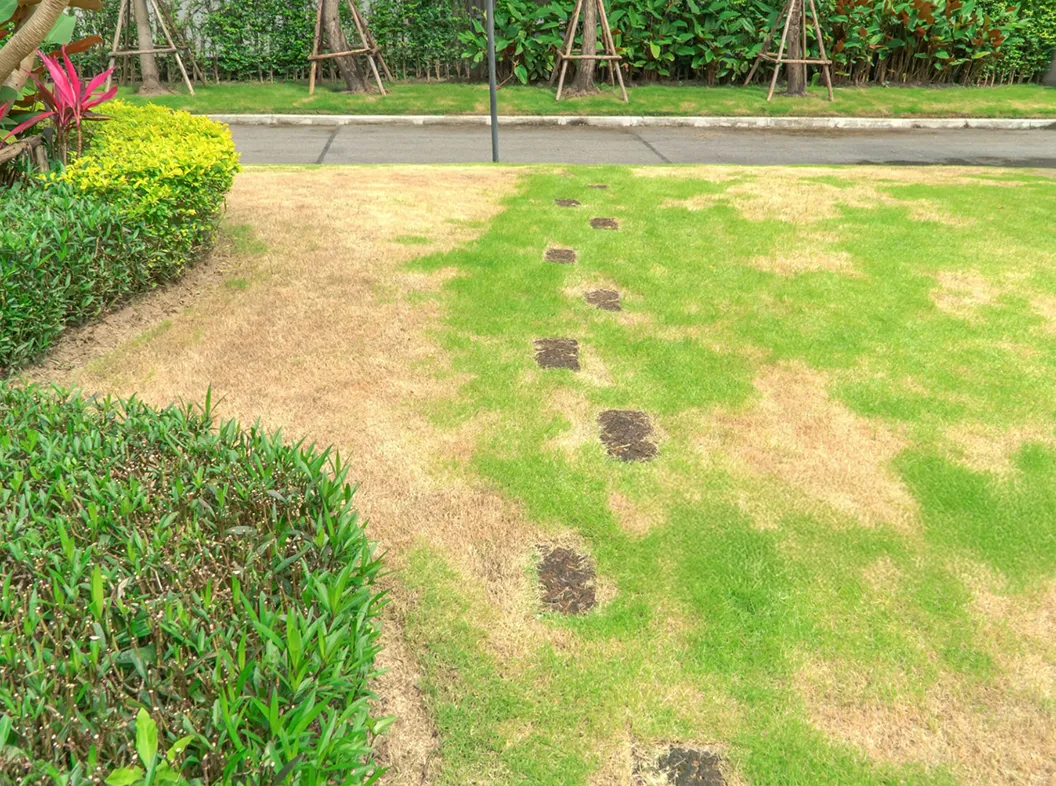
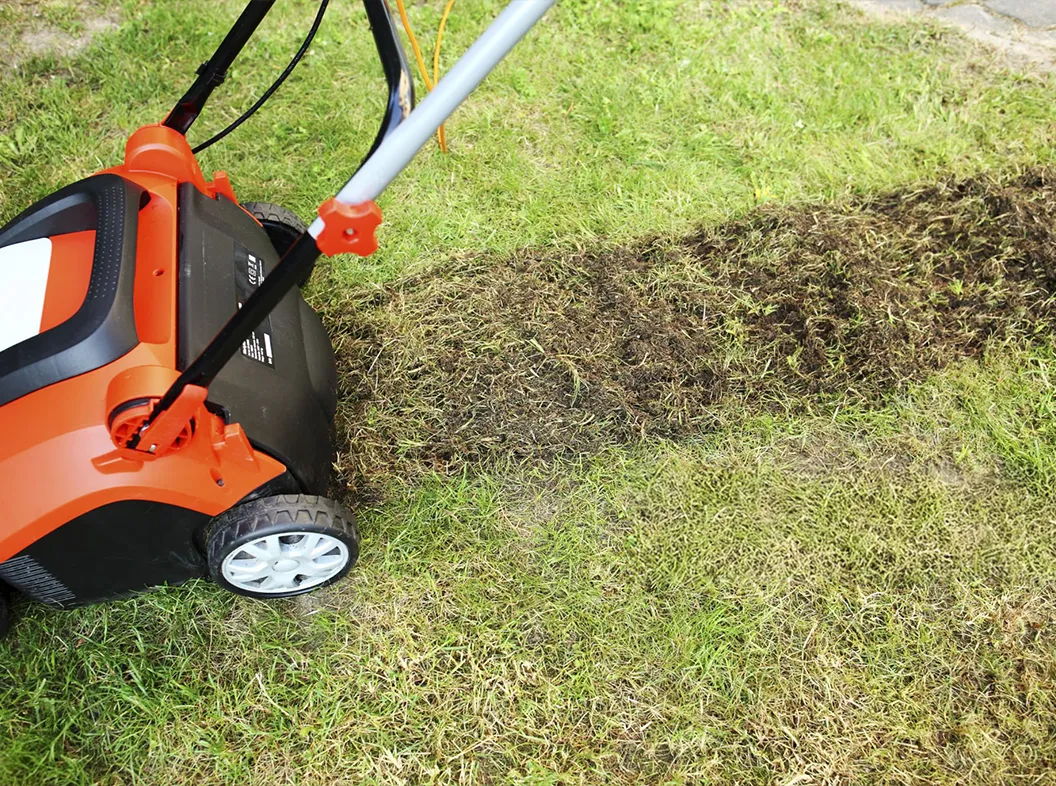
Lawn Aeration
Does Your Lawn Need Aeration?
Core Aeration vs. Liquid Aeration
Core Aeration – Immediate Soil Relief

Benefits
Liquid Aeration – Deeper, Long-Lasting Benefits

Benefits
Contact us today to schedule an assessment and let’s bring your lawn back to life!
Soil Testing
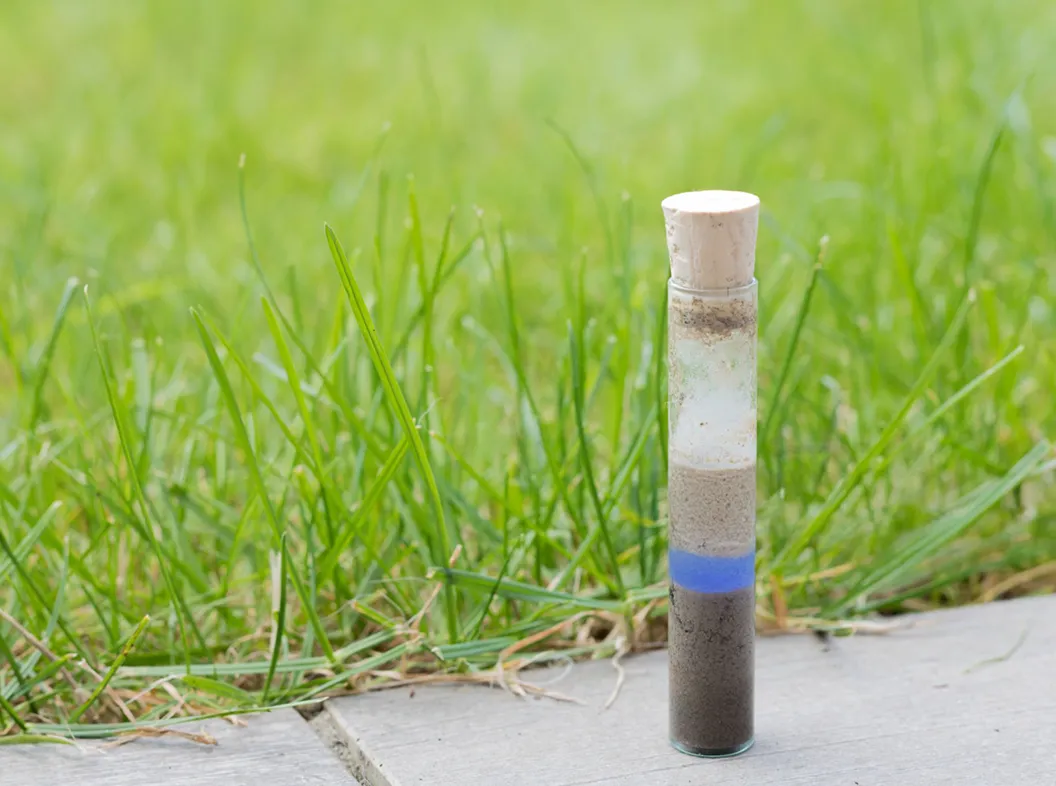
Soil testing is included in our 8-Step Lawn Care Program. If you begin service after this test is performed in winter (typically January or early February), we recommend adding it to your first application.
For testing, we collect soil samples from various areas and send them to a third-party lab for a detailed analysis. If your soil is balanced, we can typically achieve great results within our existing program. However, if any levels are outside the ideal range, we may suggest adjustments to your lawn care plan.
We also offer separate soil tests for landscape areas upon request for an additional fee.
This service is available year-round.
A soil test provides valuable insights into your soil’s composition, helping you make informed decisions about fertilization and soil amendments. Here’s what your report will typically include:
Soil pH
Indicates acidity or alkalinity on a 0–14 scale. A pH of 7 is neutral, below 7 is acidic, and above 7 is alkaline. Most plants thrive in a range of 6.0–7.0.
Macronutrients
- Nitrogen (N): Essential for plant growth and green foliage. Since nitrogen depletes quickly, tests typically provide application recommendations rather than current levels.
- Phosphorus (P): Supports root development and flowering. Reported as P₂O₅ (phosphate).
- Potassium (K): Enhances plant health, disease resistance, and drought tolerance. Reported as K₂O (potash).
Secondary Nutrients
- Calcium (Ca): Strengthens cell walls and promotes structural stability.
- Magnesium (Mg): A key component of chlorophyll, vital for photosynthesis.
- Sulfur (S): Supports protein synthesis and enzyme function.
Micronutrients
Includes Iron (Fe), Manganese (Mn), Zinc (Zn), Copper (Cu), Boron (B), Molybdenum (Mo), and Chlorine (Cl). These elements are needed in small amounts but are crucial for plant health.
Cation Exchange Capacity (CEC)
Measures the soil’s ability to retain and exchange nutrients. Higher CEC values indicate better nutrient-holding capacity.
Base Saturation
Represents the proportion of calcium, magnesium, potassium, and sometimes sodium occupying the soil’s nutrient-holding sites. This helps assess soil fertility.
Organic Matter (OM)
The percentage of decomposed plant and animal material in the soil. Higher organic matter improves soil structure, water retention, and nutrient availability.
Soil Texture
Determines the proportions of sand, silt, and clay, affecting drainage, water retention, and root penetration.
Soluble Salts
Measures salt levels in the soil. Excessive salts can harm plant roots and interfere with water uptake.
A soil test costs $47.00 per sample, covering specimen collection, laboratory analysis, and a detailed results report.
If testing both your lawn and landscape, each area requires a separate test, totaling $94.00 for two tests.
When you receive your soil test results, the information may seem overwhelming or unclear.
No need to worry—we’ve got it covered! We’ll review your report, pinpoint any necessary adjustments, and make corrections within our standard service whenever possible. If any issues require additional treatments, we’ll discuss them with you and provide tailored recommendations to restore balance to your soil.
Regular soil testing is key to a thriving lawn and landscape.
For customers on our 8-Step Lawn Care Program, we conduct a soil test every year in January or February.
For new customers who missed this timing, we recommend performing a soil test with your first service.
If you’re interested in testing your landscape, we suggest annual soil tests to get the best results from our services and create the yard you’ll love!
While we recommend testing every year for optimal results, we advise against going more than 3 years without a soil test.
We have a general understanding of Northwest Arkansas soil, and our programs are designed with that in mind, but every property is unique. Soil testing gives us the specific data needed to tailor our services for your lawn’s success.
Bareground Weed Control
Ideal Locations for Effective Bareground Weed Control:
Safety Benefits